

The “Not My Name Quarterback” trend has become one of those rare moments online where humor, emotion, and identity blend into something beautifully relatable. When people say “not my name quarterback,” it’s not just a phrase—it’s a feeling. It’s that soft, almost playful expression of wanting to be seen for who you truly are, not just for the label the world tries to give you. Maybe that’s why this trend feels so personal, so close to the heart, and so deeply human.
In a world where everyone is rushing, scrolling, posting, and pretending, the “Not My Name Quarterback” trend pauses you for a second. It makes you smile, but it also makes you think—Who am I beyond what people think? This simple phrase captures the warmth of being understood and the comfort of being chosen, especially when someone sees past your surface and speaks directly to your soul.
Romantic, emotional, and subtly empowering, the “Not My Name Quarterback” trend reminds us that names, titles, and roles don’t define the depth of our hearts. What defines us is connection—those tiny, delicate moments when someone looks at you and recognizes your truth. And somewhere in that soft recognition, this trend found its magic.
How the “Not My Name Quarterback” Trend First Started
- The trend originated from a humorous misunderstanding about sports commentary and identity
- It began when someone jokingly referred to a quarterback not by their actual name but by their role
- The phrase emerged from the internet’s love of ironic and self-aware humor
- Early adopters used it to poke fun at how people get overly invested in athletes’ identities
- The trend gained traction when users started applying it to their own lives metaphorically
- It started as a sports meme but quickly evolved into something much deeper
- The original context was football fans joking about quarterback controversies
- Someone created a video format that made the phrase easily adaptable to personal situations
- The trend exploded when people realized it could express feeling overlooked or misunderstood
- It began in niche sports communities before spreading to mainstream social media
- The phrase captured a feeling many people had but couldn’t articulate before
- Early videos showed people using the format to discuss being second choice in relationships
- The trend started gaining momentum when creators added emotional storytelling elements
- It originated from the universal experience of not being someone’s first pick
- The format became popular because it was simple yet emotionally resonant
- Initial posts were humorous but quickly revealed deeper emotional truths
- The trend started when someone connected sports terminology to dating dynamics
- It grew from a single viral video that struck a chord with millions
- The phrase began as a joke but became a vessel for genuine emotional expression
- Early adopters were primarily young adults navigating complex relationship dynamics
- The trend started small but snowballed as more people saw themselves in it
- It originated from the collision of sports culture and relationship discourse
- The initial spark came from someone’s clever observation about being a backup option
- The trend began when creators realized the metaphor applied beyond sports
- It started as entertainment but evolved into a form of emotional validation
- The phrase emerged during a time when people craved authentic self-expression online
- Early videos were shared in closed groups before going mainstream
- The trend started because it gave language to a common but unnamed experience
- It originated from the internet’s ability to turn specific references into universal symbols
- The beginning of the trend coincided with increased discussions about self-worth online
Why the Phrase Connects Emotionally With So Many People
- The phrase validates the painful experience of being someone’s second choice
- It connects because almost everyone has felt overlooked or undervalued at some point
- The metaphor perfectly captures the feeling of being a backup plan in someone’s life
- People relate to the vulnerability of waiting on the sidelines for someone’s attention
- The phrase resonates because it expresses rejection in a less direct, more bearable way
- It connects emotionally by turning a painful experience into shareable content
- The trend validates feelings that many people were ashamed to admit having
- It resonates because it acknowledges that being second best still hurts
- The phrase gives permission to feel disappointed about not being chosen first
- People connect with it because it normalizes the experience of unrequited feelings
- The emotional connection comes from recognizing yourself in others’ stories
- It resonates because it speaks to the universal desire to be someone’s priority
- The phrase connects by acknowledging that love and sports both involve competition
- People relate to the feeling of being kept as an option rather than a commitment
- It validates the emotional complexity of modern relationships and dating
- The phrase resonates because it captures the specific pain of being almost enough
- It connects emotionally by making people feel less alone in their experiences
- The trend validates feelings without requiring detailed explanations
- People connect with it because it expresses disappointment without seeming desperate
- The phrase resonates because everyone wants to be someone’s first choice
- It connects emotionally by turning individual pain into collective understanding
- The metaphor works because sports and love both involve winners and losers
- People relate to the experience of waiting for someone who’s focused elsewhere
- The phrase validates the hurt of being loved conditionally or secondarily
- It connects because it acknowledges that position matters in relationships
- The emotional resonance comes from the honesty embedded in the metaphor
- People connect with it because it’s specific enough to feel personal yet universal
- The phrase resonates because it captures the anxiety of uncertain relationship status
- It validates emotions that dating culture often dismisses as weakness
- The trend connects by giving voice to experiences people felt alone in
The Hidden Meaning Behind “Not My Name Quarterback”
- The hidden meaning relates to feeling like a placeholder in someone’s life
- It symbolizes being kept around until something better comes along
- The deeper meaning involves recognizing your value despite not being chosen
- It represents the realization that you’re an option, not a priority
- The hidden layer speaks to the courage required to acknowledge this position
- It symbolizes the moment of clarity when you realize where you actually stand
- The deeper meaning involves questioning why you accept secondary status
- It represents the internal conflict between wanting someone and wanting respect
- The hidden meaning relates to the power dynamics in modern relationships
- It symbolizes the journey from denial to acceptance about your role
- The deeper layer involves recognizing patterns of being undervalued
- It represents the tension between hope and self-respect
- The hidden meaning speaks to settling for less than you deserve
- It symbolizes the wake-up call that prompts self-reflection
- The deeper meaning involves understanding that time and attention reveal truth
- It represents the moment when you decide whether to stay or walk away
- The hidden layer relates to self-worth and boundary-setting
- It symbolizes the difference between being loved and being convenient
- The deeper meaning involves recognizing emotional unavailability in others
- It represents the choice between waiting and moving forward
- The hidden meaning speaks to the fear of being replaced
- It symbolizes the realization that love shouldn’t feel like a competition
- The deeper layer involves understanding your own complicity in the situation
- It represents the growth that comes from painful relationship insights
- The hidden meaning relates to the courage to demand better treatment
- It symbolizes the moment when self-awareness meets self-advocacy
- The deeper meaning involves recognizing that you control your own narrative
- It represents the empowerment that comes from naming your experience
- The hidden layer speaks to the universal desire for unconditional love
- It symbolizes the journey from seeking external validation to finding internal worth
How Social Media Turned It Into a Viral Identity Moment
- Social media’s algorithm rewarded emotional vulnerability and relatable content
- The format was perfect for short-form video platforms like TikTok and Instagram
- Users could easily adapt the trend to their personal stories with minimal effort
- The phrase became a shorthand identity marker that required no explanation
- Social media amplified it by connecting isolated experiences into a movement
- The shareability factor made it spread exponentially across platforms
- Influencers and celebrities participating gave it mainstream legitimacy
- The trend became viral because it offered both humor and emotional depth
- Social media turned individual pain into collective solidarity and community
- The format allowed for infinite variations while maintaining core relatability
- Users felt seen when they encountered content that matched their experience
- The trend went viral because it balanced entertainment with authenticity
- Social media’s comment sections became spaces for shared healing and validation
- The algorithm pushed content that generated high engagement through emotional responses
- The trend became identity-defining as people used it in bios and profiles
- Social media turned it viral by creating a sense of belonging among participants
- The format was easy to consume, understand, and recreate
- Users could participate without revealing too much personal information
- The trend became viral through the network effect of tagging and sharing
- Social media amplified it by connecting the trend to broader conversations about worth
- The phrase became a cultural touchstone that transcended its original context
- Viral moments happened when unexpected people shared their stories
- Social media turned it into an identity moment by validating marginalized experiences
- The trend spread because it gave people permission to prioritize themselves
- Platform features like duets and stitches extended the trend’s reach
- The viral nature came from people’s desire to be understood and validated
- Social media transformed individual stories into a collective narrative
- The trend became identity-forming as people found community through it
- Algorithms favored content that kept users engaged emotionally
- Social media turned it viral by making vulnerability trendy and shareable
Why Fans Use “Not My Name Quarterback” to Express Feelings
- Fans use it because direct communication about feelings feels too vulnerable
- The phrase provides emotional distance while still conveying the message
- It allows people to express hurt without appearing needy or desperate
- Fans use it to signal their relationship status without detailed explanations
- The phrase lets people share pain while maintaining a sense of humor
- It provides a socially acceptable way to discuss rejection and disappointment
- Fans use it because the metaphor feels less intense than literal statements
- The phrase allows for emotional expression within a culturally understood framework
- It gives people a way to seek validation without explicitly asking for it
- Fans use it to process feelings they’re still working through internally
- The phrase provides a creative outlet for emotions that are hard to articulate
- It allows people to test reactions before having difficult conversations
- Fans use it because trending formats make personal sharing feel safer
- The phrase lets people express complexity without lengthy explanations
- It provides a way to communicate disappointment to the person who caused it indirectly
- Fans use it to find others who understand their specific emotional experience
- The phrase allows for simultaneous vulnerability and self-protection
- It gives people a way to document their emotional journey publicly
- Fans use it because the format validates feelings they might otherwise dismiss
- The phrase provides a language for emotions that feel too big to name
- It allows people to express hurt while maintaining dignity
- Fans use it to reclaim their narrative and assert their worth
- The phrase lets people process feelings through creative expression
- It provides a way to seek support from a community rather than individuals
- Fans use it because the trend normalizes discussing difficult emotions
- The phrase allows for emotional honesty within a protective framework
- It gives people permission to acknowledge pain they’ve been minimizing
- Fans use it to signal readiness for change without formal declarations
- The phrase provides a bridge between private feelings and public expression
- It allows people to express themselves in a way that feels both personal and universal
The Role of Humor in Making This Trend Memorable
- Humor makes painful truths more digestible and shareable
- The comedic element prevents the trend from feeling too heavy or depressing
- Laughter provides emotional relief when discussing difficult relationship dynamics
- Humor allows people to acknowledge pain without drowning in it
- The comedic framing makes vulnerability feel safer and more accessible
- Laughter creates connection between people sharing similar experiences
- Humor transforms potentially bitter content into something entertaining
- The comedic approach makes serious self-reflection feel less intimidating
- Laughter serves as a coping mechanism for processing difficult emotions
- Humor makes the trend memorable by associating insight with entertainment
- The comedic element ensures the message spreads beyond those directly affected
- Laughter breaks down barriers that prevent people from engaging with emotional content
- Humor makes the trend approachable for people at different stages of awareness
- The comedic framing allows for repetition without becoming depressing
- Laughter creates positive associations even when discussing negative experiences
- Humor makes complex emotional concepts accessible to wider audiences
- The comedic element preserves dignity while acknowledging vulnerability
- Laughter provides distance that makes self-examination possible
- Humor transforms victimhood narratives into empowerment stories
- The comedic approach makes the trend enjoyable to participate in
- Laughter creates memorable moments that stick in people’s minds
- Humor allows for social commentary without being preachy or judgmental
- The comedic element makes difficult conversations feel less confrontational
- Laughter creates space for growth without shame or embarrassment
- Humor makes the trend shareable across different relationship contexts
- The comedic framing helps people remember the lesson without the pain
- Laughter validates experiences while preventing wallowing in negativity
- Humor creates a balanced emotional experience that resonates long-term
- The comedic element makes wisdom transmission entertaining and effective
- Laughter ensures the trend remains in cultural memory beyond its viral peak
How the Trend Reflects Self-Expression and Modern Culture
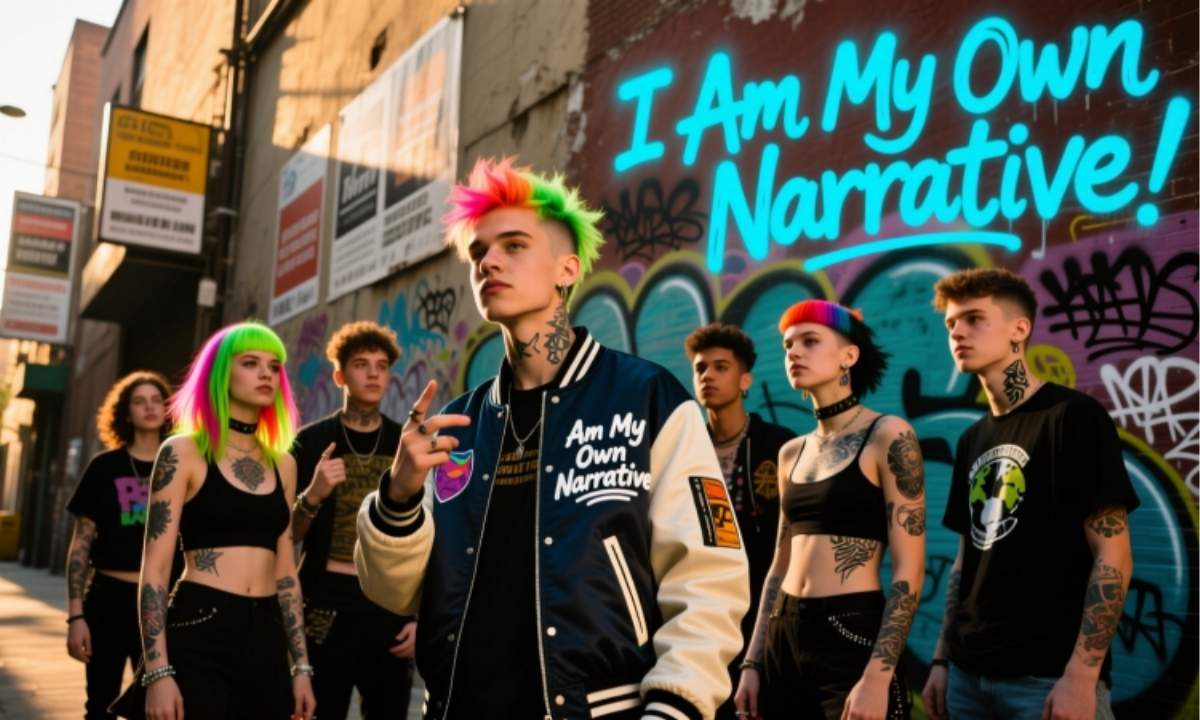
- The trend reflects modern culture’s embrace of radical emotional honesty online
- It demonstrates how digital natives use memes as legitimate communication tools
- The trend shows how contemporary culture values authenticity over perfection
- It reflects the modern desire to find community through shared vulnerability
- The trend demonstrates how humor and pain coexist in modern expression
- It shows how current culture uses sports metaphors to discuss emotional life
- The trend reflects the modern rejection of suffering in silence
- It demonstrates how digital platforms have changed the nature of self-disclosure
- The trend shows how modern culture values relatable content over polished personas
- It reflects contemporary desires for both independence and connection
- The trend demonstrates how current generations process emotions publicly
- It shows how modern culture turns individual experiences into collective movements
- The trend reflects the contemporary need to name and validate emotions
- It demonstrates how digital culture creates new language for old feelings
- The trend shows how modern self-expression blends entertainment with introspection
- It reflects current culture’s emphasis on self-worth and boundary-setting
- The trend demonstrates how social media has democratized storytelling
- It shows how modern culture values emotional intelligence and awareness
- The trend reflects contemporary skepticism about traditional relationship narratives
- It demonstrates how current generations use creativity to process trauma
- The trend shows how modern culture prioritizes mental health discussions
- It reflects the contemporary blending of personal and public spheres
- The trend demonstrates how digital natives create meaning through participation
- It shows how modern culture values community validation of personal experiences
- The trend reflects current emphasis on self-advocacy and empowerment
- It demonstrates how contemporary culture rejects shame around vulnerability
- The trend shows how modern self-expression requires both humor and depth
- It reflects the current cultural moment’s focus on authentic connection
- The trend demonstrates how digital platforms shape modern identity formation
- It shows how contemporary culture turns pain into purpose through sharing
Why Couples Love Sharing This Trend With Each Other
- Couples use it to playfully acknowledge past relationship struggles together
- The trend creates bonding moments through shared humor about dating history
- It allows couples to celebrate being each other’s first choice now
- Partners share it to validate each other’s journey to their relationship
- The trend provides a way to discuss past hurts without dwelling on them
- Couples use it to express gratitude for finding the right person
- It allows partners to acknowledge growth from previous relationship patterns
- The trend creates inside jokes about their relationship origin story
- Couples share it to reinforce their commitment to prioritizing each other
- It provides a lighthearted way to discuss serious relationship values
- Partners use it to show understanding of each other’s past experiences
- The trend allows couples to bond over shared dating frustrations
- It creates opportunities for reassurance about current relationship status
- Couples share it to celebrate graduating from being someone’s backup
- The trend provides language for discussing what they won’t accept anymore
- It allows partners to validate each other’s experiences before they met
- Couples use it to strengthen their bond through shared cultural references
- The trend creates moments of appreciation for their current relationship
- It allows partners to acknowledge that timing and choice matter
- Couples share it to demonstrate emotional maturity and awareness
- The trend provides a way to discuss relationship expectations playfully
- It allows partners to celebrate choosing each other intentionally
- Couples use it to create shared meaning around their relationship story
- The trend strengthens bonds by acknowledging what they’ve overcome
- It provides opportunities for affirmation and emotional support
- Couples share it to demonstrate they understand modern relationship dynamics
- The trend allows partners to show they value being prioritized
- It creates bonding through humor about relationship challenges
- Couples use it to reinforce their commitment to mutual respect
- The trend provides a way to celebrate their relationship publicly
How “Not My Name Quarterback” Inspires Relatable Stories
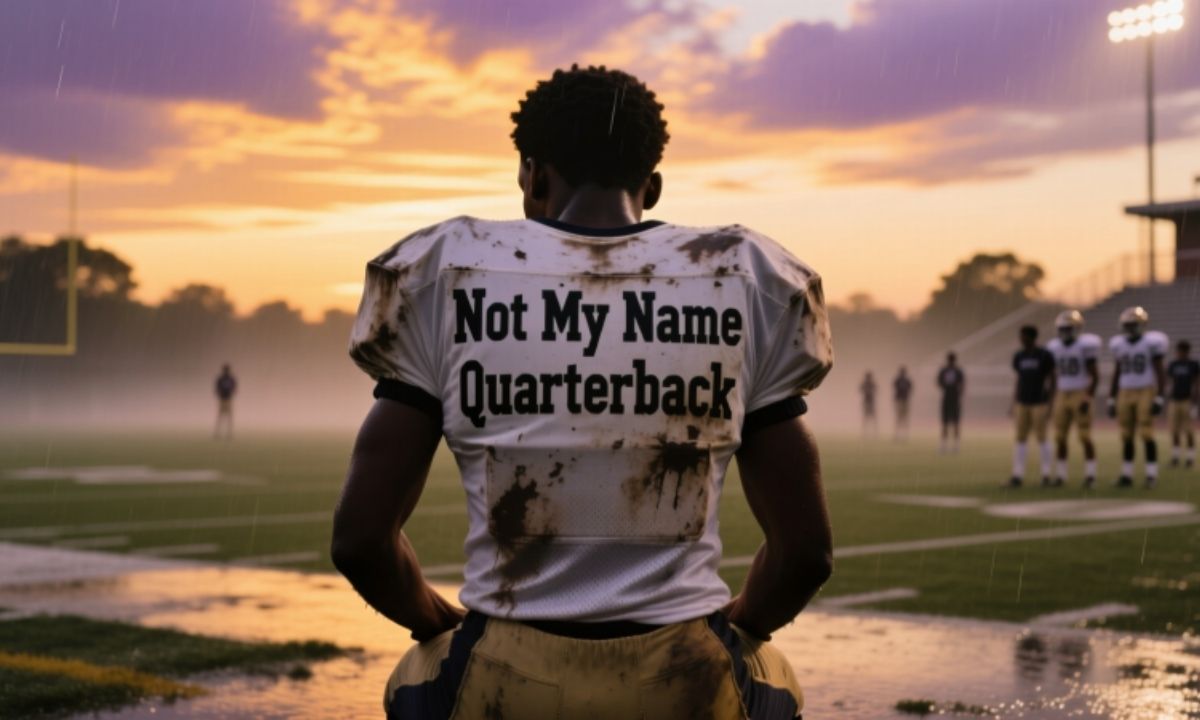
- The trend inspires people to share stories about being someone’s backup plan
- It prompts narratives about realizing your worth and walking away
- The phrase encourages stories about choosing yourself over unhealthy situations
- It inspires tales of growth from accepting less to demanding more
- The trend prompts sharing about the moment someone realized they deserved better
- It encourages stories about being kept as an option in someone’s rotation
- The phrase inspires narratives about situationships that never progressed
- It prompts people to share about waiting for someone who never committed
- The trend encourages stories about friends who warned them all along
- It inspires tales about the relief of finally letting go
- The phrase prompts sharing about red flags they ignored too long
- It encourages stories about finding someone who made them a priority
- The trend inspires narratives about self-respect and boundary-setting
- It prompts people to share lessons learned from being undervalued
- The phrase encourages stories about the courage to leave uncertain situations
- It inspires tales about recognizing patterns across multiple relationships
- The trend prompts sharing about the difference between words and actions
- It encourages stories about trusting your intuition about where you stand
- The phrase inspires narratives about healing and moving forward
- It prompts people to share about the moment they stopped waiting
- The trend encourages stories about choosing peace over potential
- It inspires tales about valuing yourself enough to leave
- The phrase prompts sharing about the freedom that comes with clarity
- It encourages stories about supporting friends through similar situations
- The trend inspires narratives about growth and transformation
- It prompts people to share wisdom gained from painful experiences
- The phrase encourages stories about recognizing your own worth
- It inspires tales about the journey from heartbreak to healing
- The trend prompts sharing about lessons that changed relationship approaches
- It encourages stories about becoming the first choice for yourself
Will the Trend Stay or Fade? What the Internet Thinks
- Many believe the trend will fade like most viral moments but the lesson will remain
- Some think it has staying power because it addresses timeless relationship dynamics
- Internet culture suggests the phrase might become permanent slang
- Observers believe it will evolve into different formats while keeping core meaning
- Some predict it will become a nostalgic reference point for this generation
- The internet thinks it might fade from feeds but stay in conversations
- Many believe the emotional resonance ensures longevity beyond the trend cycle
- Some predict it will be replaced by new metaphors but retain cultural significance
- Observers think it has already transcended trend status to become cultural commentary
- The internet suggests it might fade visually but remain conceptually
- Many believe younger generations will keep it alive through evolution
- Some think it will become dated but the wisdom will persist
- Observers predict it will fade from mainstream but stay in niche communities
- The internet thinks it might cycle back periodically like other trends
- Many believe it will transform into something new while retaining essence
- Some predict it will become a classic reference in relationship discussions
- Observers think it has created lasting impact on how people discuss worth
- The internet suggests it might fade as a format but influence future trends
- Many believe the core message will outlast the specific phrasing
- Some think it will be remembered as defining this cultural moment
- Observers predict it will fade from social media but persist in real conversations
- The internet thinks it might become cringe in hindsight but was necessary now
- Many believe it will evolve into academic discussions about digital culture
- Some predict it will fade but spawn similar trends addressing self-worth
- Observers think it has already achieved its purpose of normalizing discussions
- The internet suggests it might become a case study in viral emotional content
- Many believe the trend will fade but the community it built will persist
- Some think it will be replaced but referenced as an important moment
- Observers predict it will transition from trend to permanent cultural vocabulary
- The internet thinks regardless of longevity, it has already made its impact
Frequently Asked Questions
What does the “Not My Name Quarterback” trend actually mean?
It’s used to express individuality and humor, and the phrase “not my name quarterback” highlights playful identity.
Why did the “Not My Name Quarterback” meme go viral?
People loved its mix of humor and emotion, making “not my name quarterback” easy to relate to.
Is the “Not My Name Quarterback” phrase about real players?
Mostly it’s a joke online, though “not my name quarterback” sometimes gets linked to sports memes.
Why do people use the “Not My Name Quarterback” line in relationships?
It adds a cute, soft tone—perfect for teasing with the phrase “not my name quarterback.”
How is the “Not My Name Quarterback” trend used on TikTok?
Creators use “not my name quarterback” in skits, captions, and romantic edits.
Does the “Not My Name Quarterback” trend have a deeper meaning?
For many, “not my name quarterback” reflects personal identity and emotional expression.
Can I use the “Not My Name Quarterback” phrase in captions?
Yes, people use “not my name quarterback” to create funny, flirty, or aesthetic captions.
Who started the “Not My Name Quarterback” trend first?
Its origin is unclear, but “not my name quarterback” spread quickly through social memes.
Is the “Not My Name Quarterback” phrase meant to be funny or emotional?
It works both ways—“not my name quarterback” can sound humorous or soft depending on context.
Why does the phrase feel romantic sometimes?
The gentle tone of “not my name quarterback” makes it feel personal and affectionate.
Can the “Not My Name Quarterback” trend fade soon?
Trends shift fast, but “not my name quarterback” may stay due to its emotional charm.
Is the “Not My Name Quarterback” phrase used in fandom culture?
Yes, many fandoms remix “not my name quarterback” into edits, quotes, and jokes.
Conclusion
The “Not My Name Quarterback” trend may look simple from the outside, but the emotion hidden behind it is what makes it unforgettable. It reminds us that we’re more than labels, more than roles, and more than the names people casually give us. Somewhere inside this phrase, “not my name quarterback” becomes a soft whisper of individuality — a gentle way of saying see me for who I am, not who you assume I should be.
As this trend continues to touch hearts across social platforms, it becomes clear why people connect to it so deeply. It feels romantic, a little nostalgic, and beautifully human. When someone uses the words “not my name quarterback,” they’re not just joking — they’re expressing identity, affection, and a desire to be understood. And maybe that vulnerability is exactly why this phrase captured so much love.
In the end, the “Not My Name Quarterback” trend proves something timeless: even in a fast digital world, people still crave connection, soft humor, and emotional truth. So whether you use it in a caption, a conversation, or a moment that feels special, let it remind you that your real story begins beyond the name others give you.

Tariq is a dedicated blogger with 4 years of experience in the field of name-related blogs. Over the years, he has researched and written extensively about baby names, business names, and creative ideas that inspire identity and uniqueness. His content has helped readers across the globe discover meaningful and memorable names.
Currently, Tariq is working on SmartsName.com, where he continues to share his passion for names. With his knowledge and expertise, he aims to provide readers with unique, creative, and valuable suggestions that make the journey of choosing the perfect name easier and more enjoyable.
