

In today’s digital-first business world, trust is built on more than promises and performance. It is built on how safely a company protects the data shared with it. The Generational Equity Lawsuit brings this reality into sharp focus, reminding businesses and individuals alike that even respected firms are not immune to cyber risks. What started as a routine professional relationship for many clients slowly turned into confusion, concern, and emotional stress when sensitive information was exposed without warning.
Generational Equity is known for helping business owners plan exits, transitions, and future growth. Clients often share deeply personal and financial details, believing those records will remain secure. When the February 2023 data breach surfaced, it didn’t just raise technical questions—it touched human fears. People began asking whether their private data was safe, whether their businesses were at risk, and whether trust had been quietly broken.
The Generational Equity Lawsuit is not only about legal claims or settlement figures. It is about accountability in an age where data is as valuable as money. It highlights how one security failure can ripple through lives, affecting confidence, relationships, and long-term plans. For business leaders, this case feels personal because it could happen to anyone. For clients, it feels emotional because the damage goes beyond numbers.
Who Is Generational Equity and What Does the Firm Do?
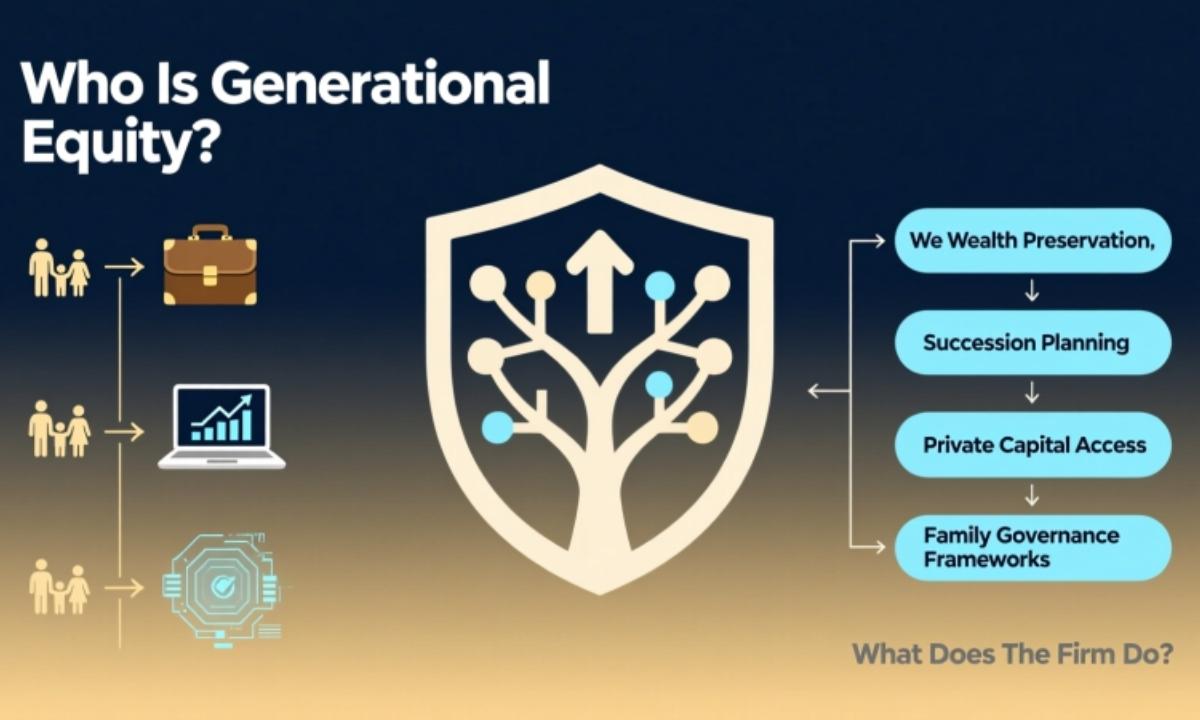
Generational Equity is a well-known advisory firm that helps business owners plan mergers, acquisitions, and long-term exits. Clients trust the firm with sensitive financial and personal information during critical life decisions. This trust forms the emotional backbone of the relationship. The Generational Equity Lawsuit later challenged how safe that trust truly was.
The firm works closely with founders who have spent years building their companies. These relationships are often personal, not just transactional. When data security fails, the impact goes beyond spreadsheets and contracts. The Generational Equity Lawsuit highlights how deeply connected advisory work and data protection really are.
Understanding who Generational Equity is helps explain why the lawsuit matters so much. This was not a random tech company, but a trusted guide for business transitions. The case reminds us that reputation alone cannot protect against cyber risk.
- Business advisory and M&A services
- Works with private company owners
- Handles sensitive financial data
- Builds long-term client trust
- Reputation-based relationships
- Trust central to the lawsuit
What Triggered the February 2023 Generational Equity Data Breach?
The February 2023 incident began when unauthorized access was detected within Generational Equity’s systems. At first, the issue appeared technical, but the implications were serious. The Generational Equity Lawsuit later revealed that early warning signs may have been overlooked.
Cyber incidents often start quietly, without immediate damage visible. In this case, personal and business data became vulnerable before clients were aware. This delay added emotional stress and uncertainty. The Generational Equity Lawsuit focuses on how quickly and clearly firms must respond.
For affected individuals, the breach felt sudden and personal. Many had shared information believing it would remain private forever. The event became a turning point in how clients viewed digital trust.
- Unauthorized system access
- February 2023 timeline
- Delayed discovery concerns
- Sensitive data exposure
- Client notification issues
- Breach led to legal action
The February 2023 Data Breach Explained: What Went Wrong
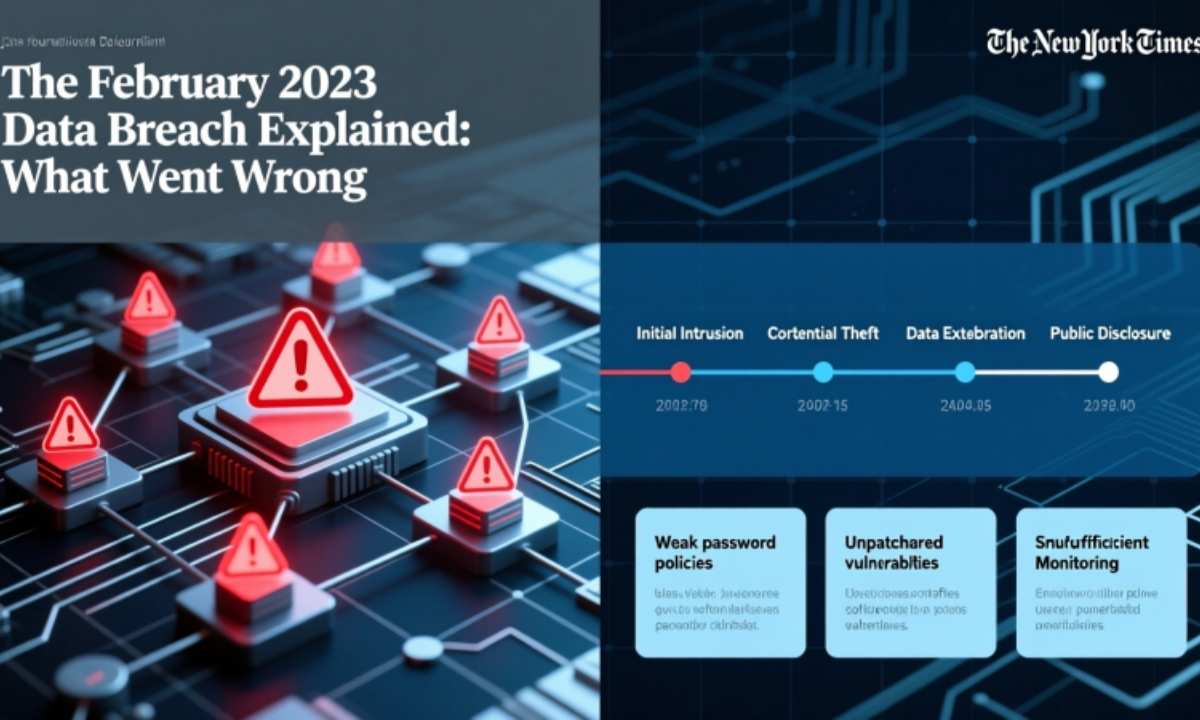
At the core of the breach were cybersecurity weaknesses that allowed outside access. These gaps were not immediately visible to clients. The Generational Equity Lawsuit argues that stronger safeguards could have reduced the damage.
Data breaches rarely come from a single failure. They often involve outdated systems, weak controls, or human error. In this case, multiple layers of protection may have failed. The Generational Equity Lawsuit examines these breakdowns closely.
When systems fail, trust collapses quickly. Clients felt exposed and unsure about future risks. This emotional response became just as important as the technical investigation.
How the Generational Equity Lawsuit Came Into Focus
The lawsuit emerged as clients sought answers and accountability. Many wanted clarity about what data was exposed and why. The Generational Equity Lawsuit became a path to transparency.
Legal action is often the last step after communication breaks down. For affected individuals, the lawsuit offered a sense of control. It transformed fear into action. The Generational Equity Lawsuit reflects this emotional shift.
As details surfaced, the case gained broader attention. Businesses across industries began paying closer attention to their own data practices.
- Client frustration grew
- Demand for accountability
- Legal claims filed
- Focus on transparency
- Emotional relief through action
- Industry-wide attention
Key Legal Claims Behind the Generational Equity Lawsuit
The lawsuit centers on negligence and failure to protect sensitive data. Plaintiffs argue reasonable safeguards were not in place. The Generational Equity Lawsuit frames data protection as a legal duty.
Another major claim involves delayed notification. When clients are informed late, risks increase. The Generational Equity Lawsuit highlights how timing matters in data breaches.
These claims are not unique but reflect a growing legal trend. Courts increasingly view data security as essential, not optional.
- Alleged negligence
- Inadequate safeguards
- Delayed notifications
- Consumer protection laws
- Duty of care arguments
- Legal accountability
Settlement Details of the Generational Equity Lawsuit
The settlement aimed to resolve claims without prolonged litigation. It focused on compensation and corrective measures. The Generational Equity Lawsuit settlement balanced closure with responsibility.
Financial relief is important, but so is reassurance. Settlements often include monitoring services and security improvements. The Generational Equity Lawsuit reflects this broader approach.
For many clients, the settlement provided emotional relief. It acknowledged harm without requiring years of court battles.
- Financial compensation
- Data monitoring services
- No admission of guilt
- Faster resolution
- Client reassurance
- Preventive commitments
Who Qualifies for Compensation in the Generational Equity Lawsuit
Eligibility depends on whether an individual’s data was affected. Clients whose information was exposed may qualify. The Generational Equity Lawsuit defines these groups carefully.
Proof and documentation play a role in claims. This process can feel overwhelming, especially during stress. The Generational Equity Lawsuit attempts to simplify access.
Clear eligibility rules help restore fairness. They ensure relief reaches those truly impacted.
- Affected clients included
- Data exposure criteria
- Documentation required
- Claim submission process
- Fair distribution focus
- Defined timelines
Why the Generational Equity Lawsuit Matters for Businesses
This case sends a strong message to companies of all sizes. Data protection is now a core business responsibility. The Generational Equity Lawsuit proves consequences are real.
Businesses often focus on growth over security. This lawsuit reminds leaders that prevention costs less than recovery. The Generational Equity Lawsuit reshapes priorities.
It also influences customer expectations. Trust now depends on transparency and protection.
- Strong legal precedent
- Cybersecurity as priority
- Reputation risk exposure
- Customer trust impact
- Compliance importance
- Industry-wide lesson
Case Study: How Data Breaches Affect Real Clients Emotionally
Behind every breach are real people. Clients experienced fear, anger, and helplessness. The Generational Equity Lawsuit brings these emotions into focus.
Financial harm is measurable, emotional harm is deeper. Identity theft fears linger long after fixes. The Generational Equity Lawsuit acknowledges this reality.
Understanding emotional impact helps businesses respond better. Empathy becomes part of risk management.
- Client anxiety
- Loss of trust
- Fear of misuse
- Emotional stress
- Long-term concern
- Human side of breaches
Legal and Cybersecurity Lessons from the Generational Equity Case
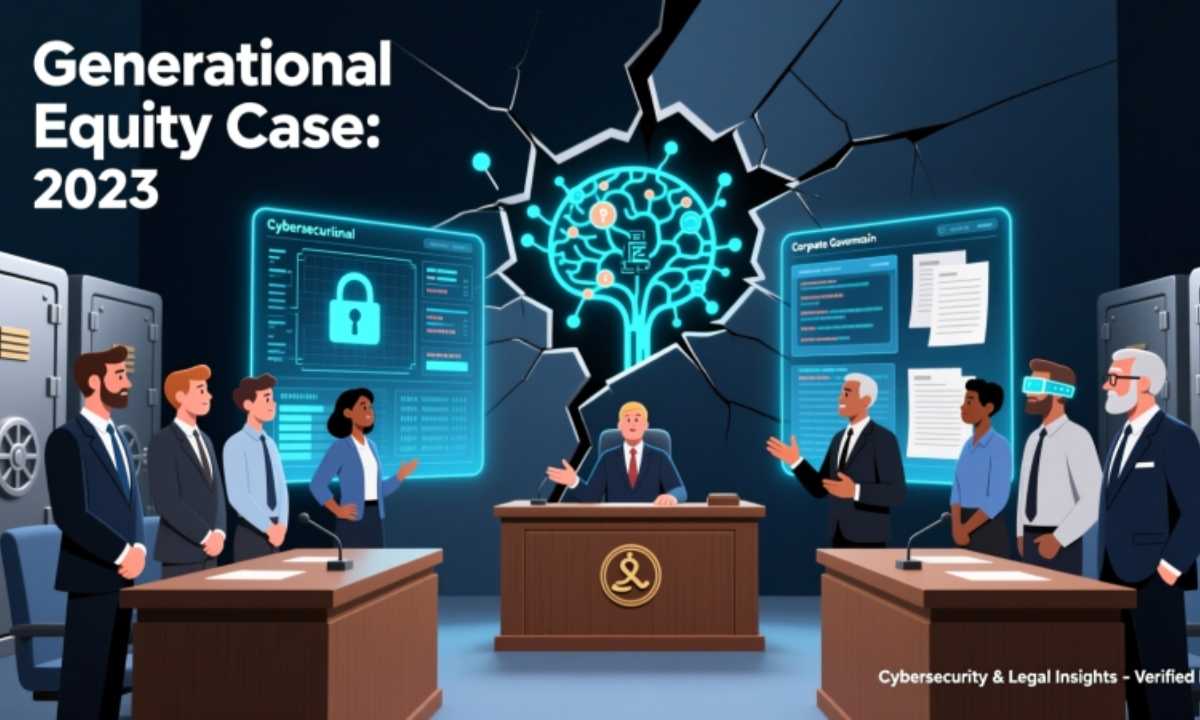
This case teaches that law and technology are deeply connected. Weak security creates legal exposure. The Generational Equity Lawsuit makes this link clear.
Preventive planning is no longer optional. Policies, training, and audits matter. The Generational Equity Lawsuit highlights proactive defense.
Learning from others’ mistakes saves future pain. This case becomes a roadmap.
- Security audits needed
- Legal compliance alignment
- Employee training importance
- Incident response planning
- Risk assessment value
- Continuous improvement
Practical Takeaways for Businesses and Individuals
Businesses must rethink data handling practices. Individuals must stay informed and proactive. The Generational Equity Lawsuit offers guidance for both.
Clear communication builds resilience. Transparency reduces panic. The Generational Equity Lawsuit shows silence increases harm.
Action today prevents regret tomorrow. Awareness is protection.
- Strengthen cybersecurity
- Review privacy policies
- Monitor personal data
- Ask transparency questions
- Prepare response plans
- Stay informed
Quick Reference Table: Lessons for Firms vs. Individuals
This section summarizes lessons in a simple comparison. Firms and individuals face different risks but share responsibility. The Generational Equity Lawsuit connects both sides.
Quick references help busy readers understand key points fast. This clarity builds confidence. The Generational Equity Lawsuit becomes easier to learn from.
Simple lessons often have the strongest impact.
- Firms: stronger security
- Firms: legal compliance
- Individuals: vigilance
- Individuals: monitoring tools
- Shared trust responsibility
- Shared awareness need
Frequently Asked Questions
What is the Generational Equity Lawsuit about?
The Generational Equity Lawsuit focuses on a data breach incident and claims related to how sensitive client information was protected and handled.
When did the Generational Equity data breach occur?
The Generational Equity Lawsuit is connected to a data breach that was identified around February 2023, raising concerns about cybersecurity controls.
What type of information was exposed in the Generational Equity Lawsuit?
The Generational Equity Lawsuit involves exposure of personal and business-related data that clients had shared during advisory engagements.
Who can be affected by the Generational Equity Lawsuit?
Clients whose data may have been compromised are the primary group impacted by the Generational Equity Lawsuit.
Is there a settlement linked to the Generational Equity Lawsuit?
The Generational Equity Lawsuit includes settlement discussions designed to resolve claims and provide relief without lengthy court trials.
How can individuals know if they qualify under the Generational Equity Lawsuit?
Eligibility in the Generational Equity Lawsuit generally depends on whether a person received official notice about their data being involved.
Why is the Generational Equity Lawsuit important for businesses?
The Generational Equity Lawsuit highlights how data protection failures can damage trust, reputation, and legal standing for firms.
Does the Generational Equity Lawsuit prove wrongdoing?
The Generational Equity Lawsuit addresses allegations and responsibilities, but settlements often occur without an admission of fault.
What lessons can companies learn from the Generational Equity Lawsuit?
Stronger cybersecurity planning and faster response systems stand out as key lessons from the Generational Equity Lawsuit.
How does the Generational Equity Lawsuit affect client trust?
The Generational Equity Lawsuit shows how quickly trust can be shaken when personal information is not adequately safeguarded.
Can data breaches like the Generational Equity Lawsuit happen to any company?
The Generational Equity Lawsuit demonstrates that even established firms can face cyber risks if protections are not updated.
Where can people find official updates about the Generational Equity Lawsuit?
Official legal notices and authorized settlement communications are the safest sources for updates on the Generational Equity Lawsuit.
Conclusion
The Generational Equity Lawsuit is more than a legal case—it is a reminder of how deeply trust and responsibility are connected in the digital age. When clients share their personal and business information, they do so with the belief that it will be protected with care and respect. This lawsuit shows how quickly that trust can be shaken when data security falls short, and how emotional the impact can be for those affected.
For businesses, the Generational Equity Lawsuit highlights a clear message: cybersecurity is no longer just a technical issue, it is a core part of leadership and ethics. Strong systems, transparent communication, and timely responses are essential to maintaining credibility. For individuals, this case reinforces the importance of staying informed, asking questions, and taking an active role in protecting personal data.

Tariq is a dedicated blogger with 4 years of experience in the field of name-related blogs. Over the years, he has researched and written extensively about baby names, business names, and creative ideas that inspire identity and uniqueness. His content has helped readers across the globe discover meaningful and memorable names.
Currently, Tariq is working on SmartsName.com, where he continues to share his passion for names. With his knowledge and expertise, he aims to provide readers with unique, creative, and valuable suggestions that make the journey of choosing the perfect name easier and more enjoyable.
