

Have you ever seen “HY” online and wondered what it means? This short abbreviation is common in texting and social media. It’s simple, quick, and often used in casual chats. Many people use it without knowing its full meaning or context.
In this guide, we’ll explain what “HY” stands for and how it’s used in different ways. You’ll also learn about its connection to the word “Hiatus.” Plus, we’ll explore some easy alternatives you can use instead. Let’s make sense of this trendy internet term together!
What Does HY Mean?
HY is a versatile acronym that can mean several different things depending on the context, with “Hell Yeah” being one of the most common interpretations in casual conversation. Other meanings include “Hiatus Year,” “How You,” or even just a shortened form of “Hey,” making it important to consider the surrounding conversation to understand what the sender actually means. The ambiguity of HY makes it a bit trickier than more established acronyms, so paying attention to tone and context is crucial for accurate interpretation.
HY = Hiatus (Most Common Use)

In certain online communities and professional circles, HY is used as shorthand for “hiatus,” particularly when discussing breaks from content creation, work projects, or ongoing commitments. This usage has gained traction among creators, streamers, and social media influencers who need a quick way to communicate their temporary absence to followers. While not as universally recognized as other meanings of HY, this interpretation is growing in popularity as more people embrace the concept of taking intentional breaks from their digital presence.
HY in Text Messaging
In casual texting, HY most commonly stands for “Hell Yeah” and expresses enthusiastic agreement or excitement about plans, ideas, or good news someone has shared. You might see it used like “HY, I’m definitely coming to the party!” or as a standalone response to show strong approval. The informal, energetic nature of this usage makes it perfect for conversations with friends where you want to convey genuine enthusiasm without typing out longer phrases.
HY in a Professional Context

In professional settings, HY is rarely appropriate unless you’re in a very casual workplace culture or communicating with colleagues you know well outside of work. If HY is used professionally, it’s more likely to refer to “Hiatus Year” in academic contexts or gap year discussions rather than the casual “Hell Yeah” interpretation. When in doubt, it’s safer to avoid acronyms like HY in formal business communication and stick with complete phrases that leave no room for misunderstanding or seeming unprofessional.
What Does “Hiatus” Mean?
A hiatus is a temporary pause or break in an ongoing activity, project, or routine, with the intention of eventually returning to it. The word comes from Latin, meaning “gap” or “opening,” and it implies a deliberate interruption rather than a permanent ending. Whether it’s a TV show between seasons, a musician stepping away from touring, or someone taking time off from social media, a hiatus acknowledges that the break is both purposeful and finite.
When and Why Do People Use HY or “Hiatus”?

People announce a hiatus when they need to communicate clearly that they’re pausing something important but plan to come back—it sets expectations and maintains trust with their audience or community. Common reasons include burnout, needing creative renewal, dealing with personal matters, focusing on other projects, or simply requiring rest and reflection. The formal declaration of a hiatus shows respect for those who follow your work or depend on your presence, as it’s more considerate than disappearing without explanation or letting something fade away quietly.
11 Strong Alternatives to “Hiatus” (With Examples)
| # | Alternative Phrase | Example in Context | Best Used When |
| 1 | Taking a break | “I’m taking a break from streaming to focus on my mental health” | You want casual, relatable language for personal announcements |
| 2 | Stepping back temporarily | “I’m stepping back temporarily from the project to handle family matters” | You need to sound professional without being too formal |
| 3 | On pause | “New episodes are on pause until September while we regroup” | You’re addressing an audience in a straightforward, clear way |
| 4 | Extended leave | “I’ll be on extended leave from work for the next three months” | Communicating with employers or in official workplace contexts |
| 5 | Sabbatical | “I’m taking a sabbatical this year to travel and write my book” | You’re taking a longer, more structured break (often 6+ months) |
| 6 | Time off | “Taking some time off to recharge and come back stronger” | Informal settings where you don’t need to sound overly serious |
| 7 | Creative break | “We’re on a creative break to develop fresh content and new ideas” | You’re in a creative field and want to emphasize growth |
| 8 | Temporary intermission | “Consider this a temporary intermission—we’ll be back with season 2!” | Entertainment or performance contexts with a theatrical flair |
| 9 | Pressing pause | “Pressing pause on weekly uploads to focus on quality over quantity” | Casual digital content creation, especially for younger audiences |
| 10 | Downtime | “Using this downtime to rest and plan what comes next” | Emphasizing the restful, recuperative aspect of your break |
| 11 | Taking time to recharge | “Taking time to recharge so I can give you my best when I return” | You want to emphasize self-care and return with renewed energy |
Choosing the Right Alternative (Context Matters)

The best alternative to “hiatus” depends entirely on your audience, your relationship with them, and the formality of your communication channel. A YouTube creator might say “taking a break” to feel approachable and authentic, while a university professor would more appropriately announce a “sabbatical” to colleagues and students. Reading your specific situation correctly ensures your message lands with the right tone—too casual can seem unprofessional, while too formal can create unnecessary distance or confusion with audiences expecting friendly, direct communication.
Tone & Word Choice: Why It Matters
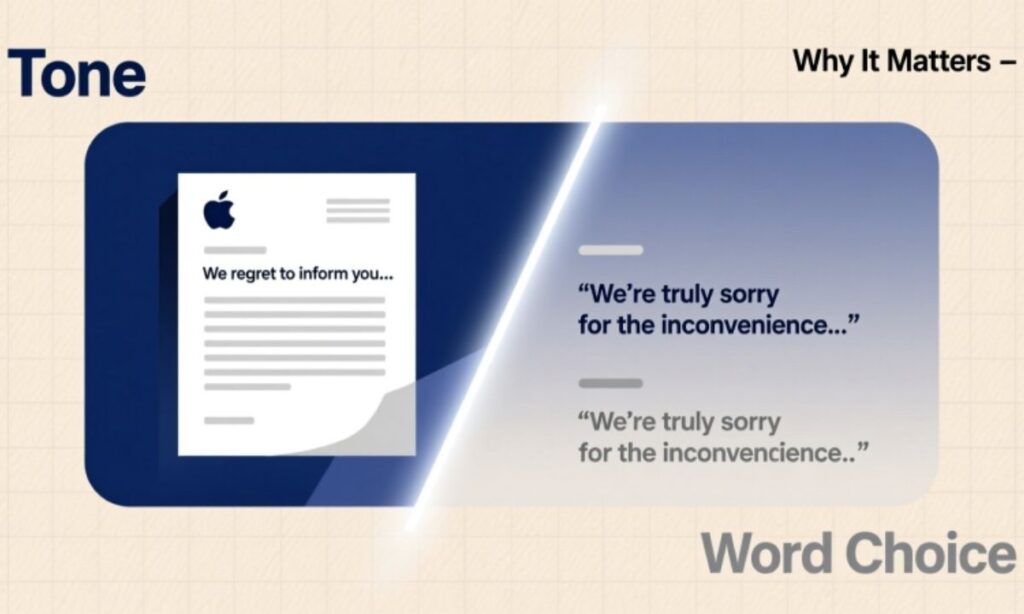
The words you choose shape how people perceive your absence and whether they’ll wait patiently for your return or assume you’re gone for good. Saying “I need some downtime” feels vulnerable and human, inviting empathy, while “taking extended leave” sounds official and bounded by clear timelines. Your tone also signals your relationship with your audience—informal language builds intimacy and trust with close followers, while professional terminology maintains appropriate boundaries in work settings and shows respect for institutional norms and expectations.
Frequently Asked Question
What is the HY meaning in text?
HY usually means “Hell Yes” or “Hey You,” depending on the context of the chat.
What does HY stand for on Snapchat?
On Snapchat, HY can mean “Hey You,” a friendly way to start a conversation.
What is the HY meaning on Instagram?
HY often means “Hell Yes,” showing excitement or strong agreement in comments.
What is the HY meaning in slang?
In slang, HY is used to express excitement, greeting, or enthusiasm.
What does HY mean from a girl?
When a girl says HY, it usually means she’s greeting you or showing interest.
What does HY mean in chat messages?
HY is a short way of saying “Hey” or “Hi,” used to start a casual chat.
What is HY meaning in social media?
It’s a quick and fun abbreviation for greetings or excited responses online.
Can HY mean Hiatus?
In some contexts, HY can refer to “Hiatus,” meaning taking a short break.
How do you reply when someone says HY?
You can simply reply with “Hey!” or “Hi there!” to keep the chat going.
What are alternatives to HY?
Alternatives include “Hey,” “Yo,” or “Sup,” all casual ways to greet someone.
Conclusion
HY is a short and simple term that can mean many things depending on the situation. It’s often used as a friendly greeting or to show excitement online. People love it because it’s quick, casual, and easy to use in any chat or text. Whether it means “Hey You” or “Hell Yes,” context makes it clear.
Using HY adds fun and personality to your messages. It keeps conversations light and friendly while saving time. Still, if you want to sound more formal, you can use words like “Hello” or “Hi.” No matter how you use it, HY is a modern way to connect in today’s fast digital world.

Tariq is a dedicated blogger with 4 years of experience in the field of name-related blogs. Over the years, he has researched and written extensively about baby names, business names, and creative ideas that inspire identity and uniqueness. His content has helped readers across the globe discover meaningful and memorable names.
Currently, Tariq is working on SmartsName.com, where he continues to share his passion for names. With his knowledge and expertise, he aims to provide readers with unique, creative, and valuable suggestions that make the journey of choosing the perfect name easier and more enjoyable.
