

Every time you sit behind the wheel of your Hyundai, those tiny lights on the dashboard can feel like a secret language. Understanding Hyundai dashboard symbols and meanings isn’t just about safety—it’s about feeling connected to your car. Each symbol is like a gentle nudge from your vehicle, telling you it cares, warning you, or guiding you to take the right step.
For many drivers, these symbols may seem confusing at first glance. That red or amber glow can spark anxiety, especially if you’re driving alone on a quiet road at night. But once you know what each symbol represents, a sense of confidence and reassurance washes over you. It’s almost like learning a love language with your car—listening to it, understanding it, and responding with care.
From engine warnings to tire alerts, every symbol has a story. Some are urgent, demanding immediate attention, while others are gentle reminders for routine maintenance. Learning the meanings behind these symbols can save you from costly repairs, unexpected breakdowns, and stressful moments. More importantly, it helps you feel a deep sense of trust with your Hyundai—like a bond that grows stronger every time you drive.
Understanding Hyundai Dashboard Symbols: A Beginner’s Guide
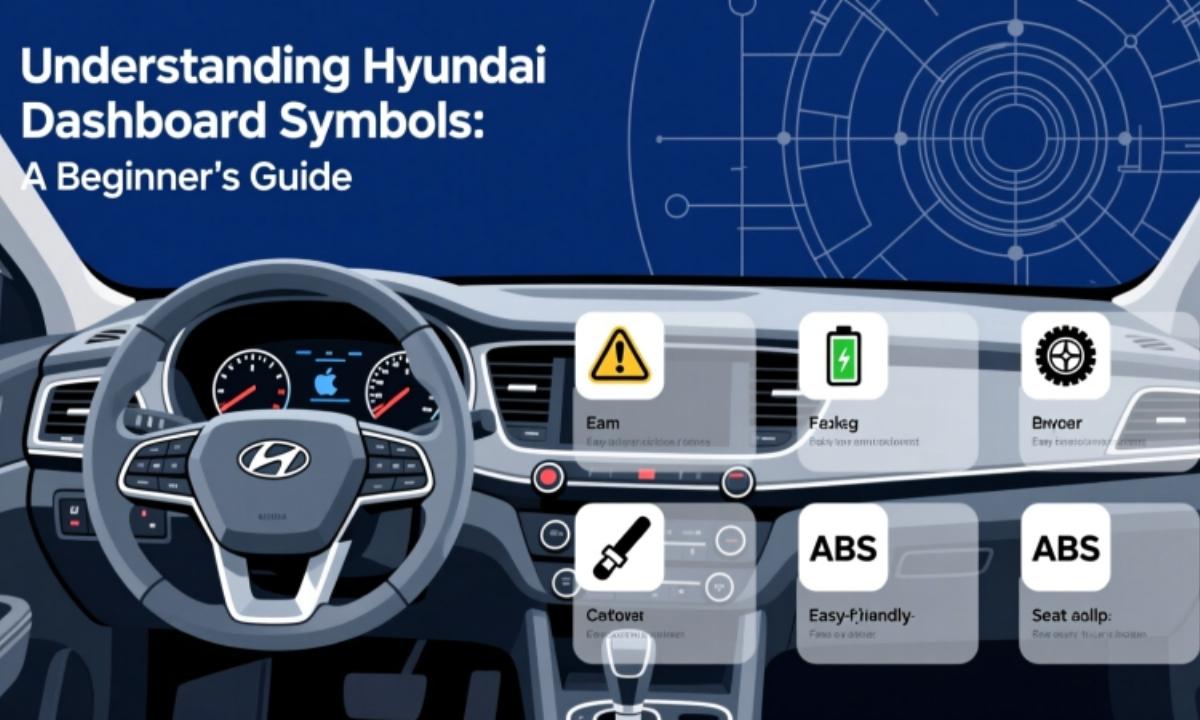
Every Hyundai owner notices those little glowing lights the moment they start the car. These Hyundai dashboard symbols and meanings might look confusing at first, but they are actually your car’s way of communicating with you. Each symbol carries important information about your vehicle’s health, guiding you to take timely actions. Once you understand them, driving becomes less stressful and more enjoyable. It’s like forming a quiet, emotional bond with your Hyundai, learning its subtle cues over time.
Whether it’s a small maintenance alert or a critical warning, these symbols are there to protect you and your car. Paying attention to Hyundai dashboard symbols and meanings ensures safety on every journey. Learning them early saves money, avoids emergencies, and creates confidence every time you drive. Soon, recognizing these symbols will feel as natural as knowing a friend’s expressions, giving you peace of mind and emotional comfort.
- Lights indicate engine, brakes, or battery issues
- Some symbols are red for urgent attention
- Amber lights suggest warnings or reminders
- Green and blue lights indicate normal functions
- Symbols vary by Hyundai model and year
- Ignoring alerts can cause costly repairs
- Dashboard symbols help prevent accidents
- Understanding them strengthens driver confidence
Engine Warning Light: What It Really Means for Your Car
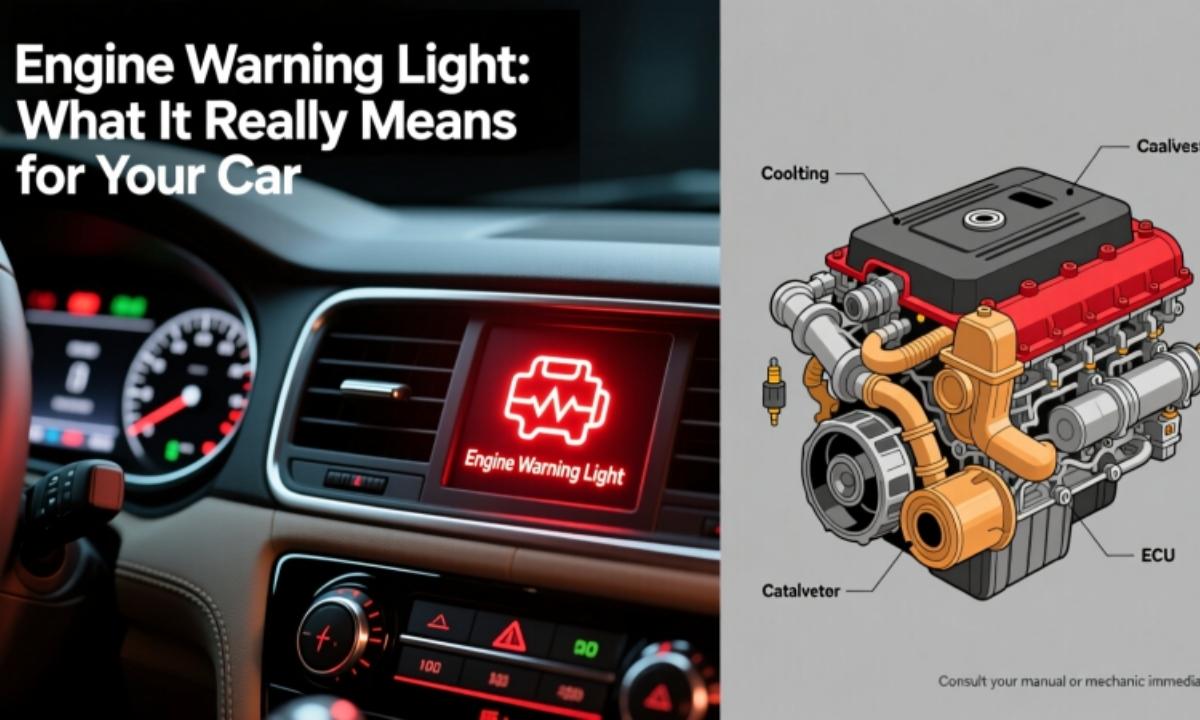
The engine warning light is one of the most feared Hyundai dashboard symbols and meanings. Seeing it glow can make your heart skip a beat, but it’s really a caring signal from your car. It tells you that the engine may need attention, whether it’s low oil, overheating, or an emission issue. Understanding this symbol helps you act fast and avoid severe damage.
Responding promptly to the engine light ensures smooth driving and prevents costly repairs. Treat it as a soft reminder from your Hyundai that your car values care. Regular maintenance keeps this warning from appearing and strengthens the connection between you and your vehicle. Listening to these signals can make your driving experience safer and more emotionally satisfying.
- Indicates engine malfunction or issue
- May be triggered by low oil levels
- Can signal overheating problems
- Emission system issues can light it up
- Immediate attention prevents major repairs
- Red or amber color shows urgency
- Helps maintain engine efficiency
- Strengthens your trust with the car
Battery Symbol Explained: Avoid Getting Stranded
The battery warning light is a gentle, yet important, Hyundai dashboard symbol and meaning. It indicates that your car’s electrical system or battery may not be functioning correctly. Seeing this light might worry you, but it’s simply your Hyundai’s way of asking for care. Understanding it early ensures that you are never left stranded unexpectedly.
Ignoring the battery symbol can lead to starting issues or complete breakdowns. By recognizing this warning, you can take timely steps like checking battery connections or visiting a mechanic. It’s a way your car communicates love and protection, urging you to ensure every journey is smooth and stress-free.
- Signals battery or charging issues
- Can indicate alternator malfunction
- Low battery voltage triggers it
- May warn of electrical system faults
- Immediate checks prevent being stranded
- Often red color shows serious concern
- Routine maintenance avoids this warning
- Helps maintain car’s electrical health
Oil Pressure Indicator: Why Ignoring It Can Be Costly
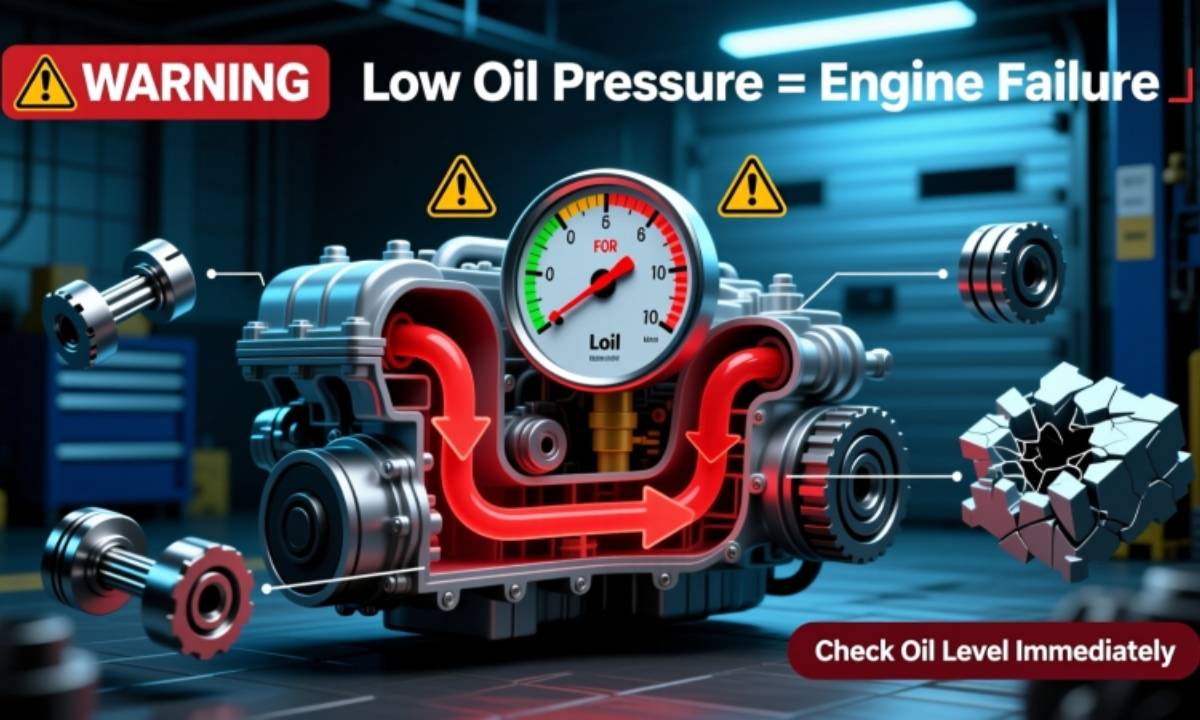
The oil pressure warning light is a critical Hyundai dashboard symbol and meaning. It appears when oil levels are low or pressure is insufficient. This symbol is your car’s emotional plea, asking for care to protect the engine. Paying attention to it ensures long-lasting performance and prevents expensive engine repairs.
When the oil light glows, it’s important to stop driving immediately and check oil levels. Ignoring this alert could lead to engine failure. Responding to it promptly strengthens the trust between you and your Hyundai, showing that small acts of care lead to a smoother, worry-free journey.
- Appears due to low engine oil
- Signals insufficient oil pressure
- Red light indicates urgent attention
- Ignoring it can damage engine
- Routine checks prevent warnings
- Helps maintain smooth engine performance
- Immediate action protects your car
- Strengthens driver-car connection
Brake Warning Light: Stay Safe on Every Drive
The brake warning light is one of the most emotionally gripping Hyundai dashboard symbols and meanings. It signals issues with the braking system, brake fluid, or parking brake. Seeing it glow may trigger anxiety, but it’s actually your car’s caring reminder to stay safe.
Checking brakes when this light appears ensures that every drive is secure. Proper response avoids accidents and builds confidence behind the wheel. Treat it as a gentle message from your Hyundai that safety and care go hand in hand, making your journeys safer and more emotionally reassuring.
- Signals brake system problems
- Indicates low brake fluid levels
- Can appear when parking brake is on
- Red color demands immediate attention
- Helps prevent accidents
- Ensures smooth stopping power
- Routine maintenance keeps it off
- Builds driver confidence
Temperature Warning: Protect Your Engine Today

The temperature warning light glows when your Hyundai engine is running too hot. This dashboard symbol and meaning is like a caring whisper, telling you to pause and check your car before damage occurs. It’s a sign that your engine needs a moment of care to continue performing optimally.
Ignoring this warning can cause overheating, engine failure, or costly repairs. By listening to this symbol, you ensure both safety and long-term health of your vehicle. It’s a subtle emotional connection—your car reminding you that attention and love make every drive safer and worry-free.
- Indicates engine overheating
- Can signal coolant issues
- Red color shows urgency
- Immediate stop may be needed
- Prevents severe engine damage
- Check coolant and radiator regularly
- Helps maintain engine efficiency
- Strengthens driver-car trust
Tire Pressure Symbol: How It Keeps You Secure
Low tire pressure triggers the TPMS light, a key Hyundai dashboard symbol and meaning. It’s your car’s soft nudge, asking you to check the tires for safety. Proper tire pressure ensures smooth rides and protects you from unexpected accidents.
By responding to this alert, you prevent tire wear, improve fuel efficiency, and avoid dangerous situations. It’s a reminder that small attentions to your Hyundai create comfort, security, and peace of mind on every journey.
- Signals low tire pressure
- Can indicate punctures or leaks
- Red or amber light warns urgency
- Ensures safe driving conditions
- Improves fuel efficiency
- Prevents uneven tire wear
- Immediate attention avoids accidents
- Strengthens trust with car
ABS Light Meaning: Ensuring Smooth and Safe Stops
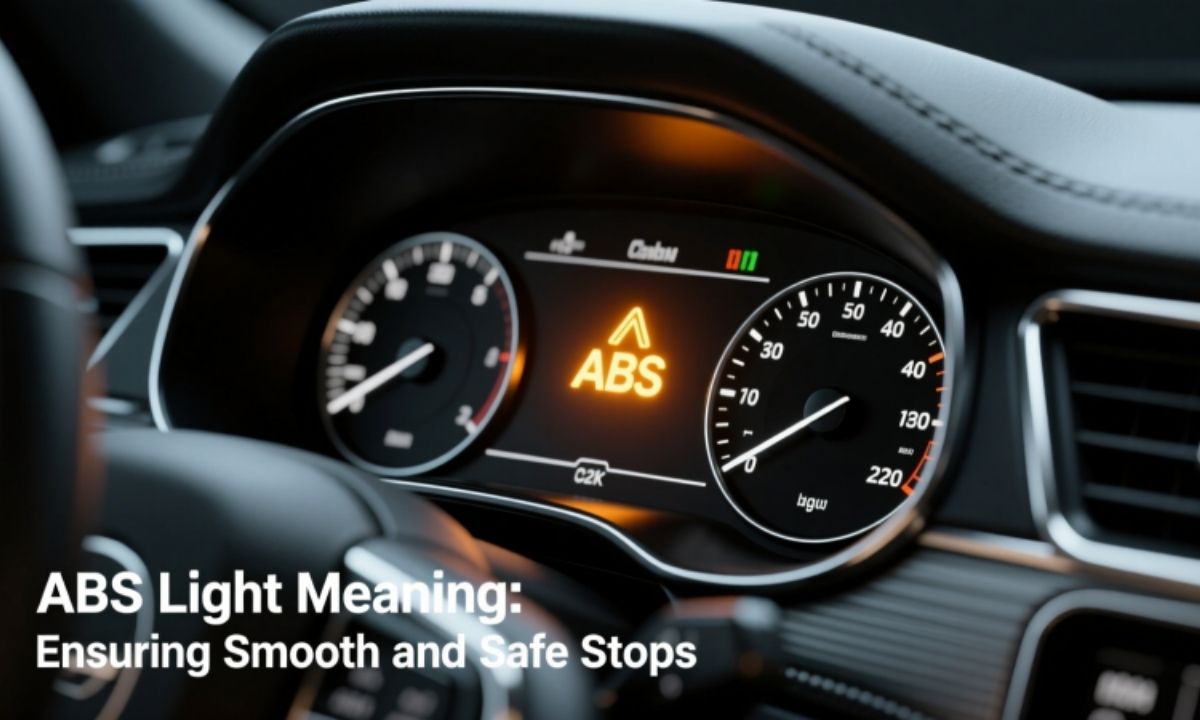
The ABS (Anti-lock Braking System) light is an important Hyundai dashboard symbol and meaning. It tells you that your braking system may not work optimally in emergencies. This gentle warning helps prevent skidding and enhances driving safety.
Responding to the ABS light ensures smooth and controlled stops, especially on slippery roads. Paying attention to it strengthens the emotional bond with your car, showing that it cares about your safety as much as you do.
- Indicates ABS system issue
- May trigger on sensor failure
- Red or amber light signals attention
- Helps avoid wheel lockup
- Ensures smooth emergency braking
- Regular checks prevent warnings
- Improves overall driving safety
- Builds driver confidence
Airbag Indicator: Why You Should Never Ignore It
The airbag light signals a problem in the vehicle’s safety system. This Hyundai dashboard symbol and meaning is your car’s emotional plea to ensure passenger safety. Ignoring it could compromise protection during accidents, so it demands immediate attention.
By addressing the airbag warning, you make sure that all safety systems function perfectly. It’s a reminder that your Hyundai looks out for you and your loved ones, strengthening the bond between driver and car every time you take the wheel.
- Signals airbag system malfunction
- Red light requires urgent check
- Can affect passenger safety
- Ignoring may cause airbag failure
- Regular inspection prevents alerts
- Keeps safety systems operational
- Enhances trust in the car
- Provides peace of mind
Fuel Warning Light: Never Run Out of Gas Again
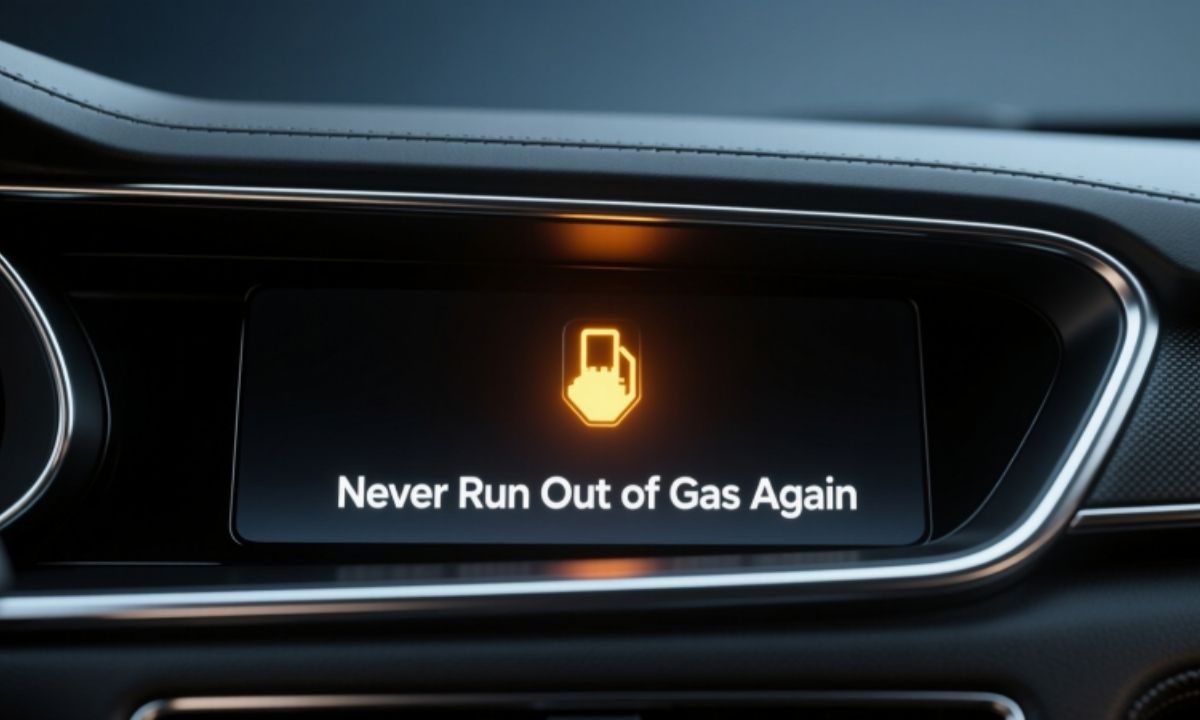
The fuel warning light is a common Hyundai dashboard symbol and meaning that gently reminds you to refuel. It’s a soft, emotional nudge, helping you avoid the stress of running out of gas unexpectedly.
Responding to this alert ensures smooth and worry-free journeys. By acknowledging this symbol, you respect your Hyundai’s subtle communication and maintain the joy of uninterrupted driving. It’s a simple way your car shows care and connection.
- Indicates low fuel levels
- Amber color warns timely refueling
- Helps avoid getting stranded
- Common across all Hyundai models
- Supports long journeys safely
- Encourages regular refueling habits
- Builds confidence in driving
- Maintains uninterrupted travel
Frequently Asked Questions
What do Hyundai dashboard symbols and meanings indicate?
These symbols show your car’s current status, warning you about issues or maintenance needs. Knowing hyundai dashboard symbols and meanings ensures safety and peace of mind.
Why is the engine warning light important?
It alerts you to engine problems early. Understanding hyundai dashboard symbols and meanings helps prevent costly repairs.
What should I do when the battery symbol lights up?
Check battery connections or replace it if needed. Hyundai dashboard symbols and meanings guide you to stay prepared and avoid breakdowns.
Is it safe to ignore the oil pressure indicator?
No, ignoring it can damage the engine. Learning hyundai dashboard symbols and meanings protects your car and wallet.
Why does the brake warning light appear?
It signals issues with the brake system or fluid. Following hyundai dashboard symbols and meanings keeps you and passengers safe.
What causes the temperature warning light to glow?
It indicates engine overheating or coolant problems. Understanding hyundai dashboard symbols and meanings prevents severe engine damage.
How do I respond to the tire pressure symbol?
Check and inflate tires as recommended. Hyundai dashboard symbols and meanings ensure smoother rides and safety.
What is the ABS light for?
It warns about the anti-lock braking system. Knowing hyundai dashboard symbols and meanings guarantees better control during sudden stops.
Why should I not ignore the airbag indicator?
It shows a malfunction in the safety system. Following hyundai dashboard symbols and meanings protects all passengers.
When does the fuel warning light appear?
It signals low fuel levels, helping you refuel in time. Recognizing hyundai dashboard symbols and meanings prevents getting stranded.
Do all Hyundai models have the same symbols?
Most symbols are similar, but some vary by model. Learning hyundai dashboard symbols and meanings ensures correct interpretation for your vehicle.
How often should I check dashboard symbols?
Every time you drive, keep an eye on the lights. Understanding hyundai dashboard symbols and meanings keeps your car healthy and reliable.
Conclusion
Understanding your Hyundai goes beyond driving—it’s about forming a subtle, emotional connection with your car. By learning the hyundai dashboard symbols and meanings, you are not just decoding lights on the dashboard; you are listening to your vehicle’s gentle reminders and caring signals. Each warning light, indicator, and symbol is a small way your car communicates, asking for attention and care to ensure smooth, safe journeys.
Being attentive to these symbols strengthens the bond between you and your Hyundai. It gives you confidence, prevents costly repairs, and ensures every trip is worry-free. So, the next time a warning light glows, remember it’s more than a symbol—it’s your car looking out for you. Take care, respond with love, and enjoy every journey with peace of mind, knowing that hyundai dashboard symbols and meanings are there to guide and protect you.

Tariq is a dedicated blogger with 4 years of experience in the field of name-related blogs. Over the years, he has researched and written extensively about baby names, business names, and creative ideas that inspire identity and uniqueness. His content has helped readers across the globe discover meaningful and memorable names.
Currently, Tariq is working on SmartsName.com, where he continues to share his passion for names. With his knowledge and expertise, he aims to provide readers with unique, creative, and valuable suggestions that make the journey of choosing the perfect name easier and more enjoyable.
