

Understanding the redout meaning often feels like stepping into a world where science, emotion, and human limits quietly collide. It’s one of those rare terms that sounds simple on the surface, yet carries an intensity that surprises people the moment they truly look into it. The word itself evokes a strange mix of curiosity and nervousness—almost like that feeling you get when your heart skips a beat before hearing an unexpected truth. And maybe that’s why so many people pause when they encounter it for the first time.
For many, the redout phenomenon isn’t just a physical experience—it’s a reminder of how delicate, powerful, and beautifully complex the human body can be. When someone first tries to understand the redout meaning, there’s an emotional pull to it. It makes you wonder how much pressure a person can endure, how deeply the body reacts to extreme forces, and why something that sounds so technical can end up feeling oddly personal. It’s the kind of concept that makes you think about strength, vulnerability, and the thin line between control and surrender.
And maybe that’s where the real confusion begins. Because “redout” isn’t just about what the eyes see—it’s about what the heart feels when faced with an experience that overwhelms the senses. Exploring its meaning becomes a journey, both scientific and emotional, pulling you closer to understanding how extraordinary the human body truly is.
What Does “Redout” Meaning Actually Describe?

When we talk about the redout meaning, we’re really describing a moment where the world around someone shifts in a way that feels both scientific and strangely emotional. A redout happens when a person experiences negative G-forces so strongly that blood rushes upward toward the head, tinting vision with a reddish glow. But beyond the pure technical definition lies something deeper—something that makes people want to understand it more than just as a physical reaction. In many ways, the redout meaning describes what happens when the body is pushed to an edge it rarely visits, revealing how beautifully sensitive and responsive we truly are.
For some, learning about this phenomenon is surprising—almost like discovering that even the toughest pilots, astronauts, or thrill-seekers can experience moments where their senses blur into unfamiliar colors. When vision turns red, it’s not just a biological shift; it’s a reminder that the body has its own silent language, speaking through sensations we don’t always expect. And maybe that’s why, when someone first reads about the redout meaning, it sparks a quiet curiosity inside them.
Why the Redout Meaning Feels So Intense to Understand

The redout meaning can feel overwhelmingly intense the first time someone truly explores it. Unlike simple terms that describe everyday experiences, redout is tied to extremes—moments when the human body reacts to forces that are far beyond ordinary life. Imagine sitting in a cockpit, heart racing, as your vision slowly turns a deep, haunting red. That moment is not just physical; it feels almost poetic, like the body is whispering its limits in a language that’s both fascinating and terrifying.
Many people struggle to grasp the intensity because it’s a combination of science and sensation. The redout meaning isn’t merely a textbook definition—it’s about understanding the vulnerability of your own body under pressure. There’s a strange intimacy in it, too. When someone reads about redout, they often imagine themselves in that extreme moment, sensing the rush of blood, the tightening of muscles, and the sudden realization of fragility. It’s that human connection to the term that makes it emotionally charged, drawing curiosity and awe at the same time.
How Pilots First Explained the Redout Meaning

The story of the redout meaning begins high above the earth, inside the cramped cockpits of early jet pilots. These daring souls were the first to truly experience the strange phenomenon, noticing how their vision would tint red during extreme maneuvers. But it wasn’t just a technical curiosity—it was an intimate conversation between the body and the mind. Pilots described it as a moment where reality seemed both vivid and delicate, a fleeting feeling that reminded them of how fragile yet resilient humans truly are.
For the pilots, explaining the redout meaning wasn’t easy. Words often fell short of capturing the sensation—the sudden rush of blood to the head, the pressing force on the eyes, and the subtle fear that accompanies such intensity. Some likened it to a moment of vulnerability that made them unexpectedly aware of their own heartbeat, their own limits, and even the quiet beauty of human endurance. Sharing these experiences with fellow pilots added a romantic layer to the term; it became more than a physiological reaction—it became a symbol of courage, curiosity, and the thrill of discovering one’s boundaries.
The Emotional Side of Discovering the Redout Meaning

Discovering the redout meaning is more than an intellectual exercise—it stirs emotions in a way that few scientific terms do. When someone first learns what happens to the body under extreme negative G-forces, there’s a subtle thrill, a mix of awe and nervous anticipation. It’s as if your imagination briefly steps into a cockpit, feeling the rush of blood and the flush of red vision, making the concept intensely personal and deeply emotional.
There’s a romantic side to understanding redout as well. It highlights the vulnerability of the human body, yet also celebrates its resilience. Knowing that the body can endure such extremes, even momentarily, brings a quiet admiration for human strength. It’s like reading a story of endurance where science meets emotion—a story that resonates in the chest, not just the mind. Those who first encounter the redout meaning often feel a strange intimacy with the term, as if it reveals something hidden about the limits and beauty of human life.
Why the Redout Meaning Often Gets Misinterpreted

The redout meaning is often misunderstood, even by those who are genuinely curious about it. Part of the confusion comes from the term itself—it sounds technical, cold, and clinical, yet the experience it describes is deeply personal and physical. Many people imagine redout as merely a vision change or a fleeting sensation, unaware of the intense bodily reaction behind it. This gap between perception and reality is why so many hesitate, pause, or even misinterpret what the redout really signifies.
Another reason for misunderstanding lies in how rare and extreme the experience is. Most of us will never feel the full effect firsthand, so the redout meaning often exists as an abstract idea in books, videos, or stories from pilots. People try to relate it to everyday experiences, but the truth is that it’s unique—an encounter with human limits, where the body’s vulnerability is as evident as its resilience. Misinterpretation happens when science is presented without emotion, ignoring the subtle human story behind it.
Is the Redout Meaning Really as Scary as It Sounds?
At first glance, the redout meaning might sound terrifying, evoking images of extreme danger and physical strain. But the truth is more nuanced, blending awe, curiosity, and even a touch of beauty. While it’s natural to focus on the potential risks—blood rushing upward, vision turning red, the sudden sense of pressure—the experience is also a testament to the body’s remarkable ability to adapt. The fear is real, yet it is intertwined with fascination, making the phenomenon emotionally complex rather than purely alarming.
For many, the redout experience is likened to standing at the edge of a cliff—not because the fall is inevitable, but because the moment awakens the senses. Understanding the redout meaning this way allows a person to see it as a fleeting, intense experience that tests limits without causing harm when managed correctly. There is an almost romantic quality in the way the body responds—an intimate reminder of vulnerability, strength, and the delicate balance that sustains life under extraordinary conditions.
How the Redout Meaning Affects the Human Body
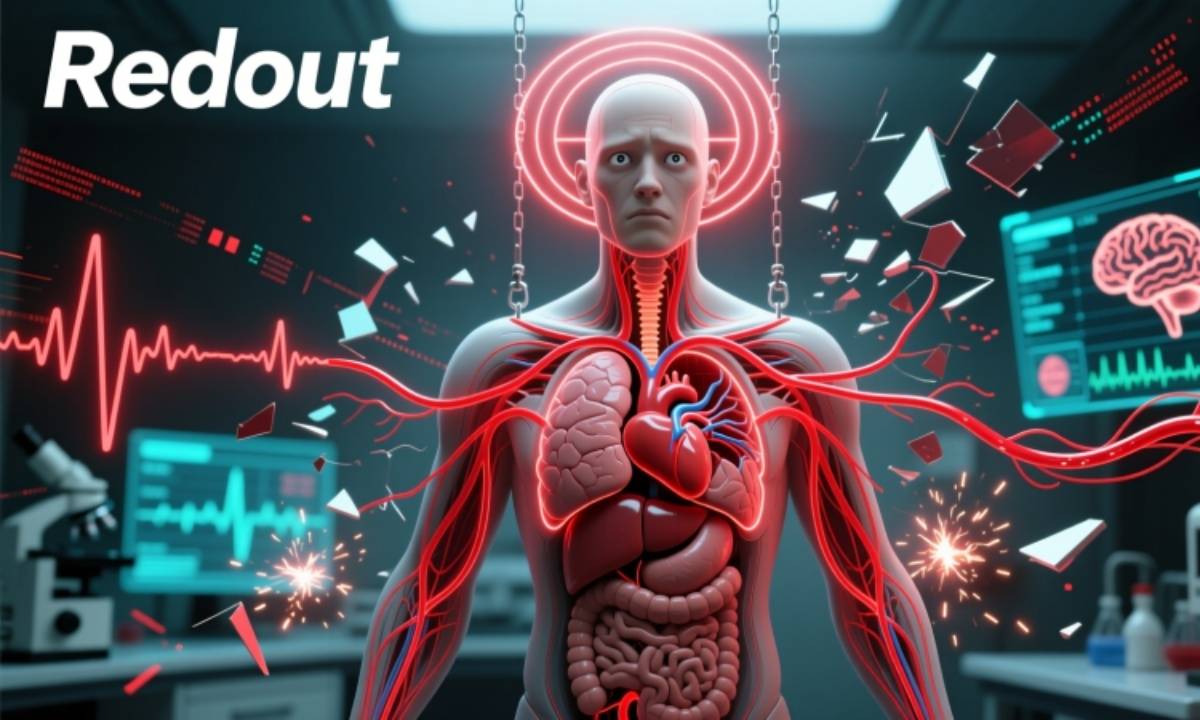
The redout meaning is not just a word—it’s a vivid illustration of how delicately the human body balances under extreme conditions. When someone experiences redout, blood is forced toward the head, creating a distinct red hue in vision. While this may sound purely scientific, it carries a profound emotional undertone. It’s as if the body is speaking to us, whispering about limits, resilience, and the quiet strength hidden within every heartbeat.
The effect is both physical and deeply personal. Muscles tense, vision shifts, and the mind reacts instinctively to maintain equilibrium. Yet, there’s also a strangely poetic element to it—the awareness that the body is sensitive enough to signal such a precise reaction under pressure. For anyone learning about the redout meaning, this is a reminder that even in extreme moments, the human body adapts with grace, protecting life while revealing vulnerability.
Where People Commonly Get the Redout Meaning Wrong
The redout meaning is often misunderstood because it sounds so technical that many people assume it’s purely a medical or mechanical term. Yet, the reality is far richer, blending human physiology with emotional experience. Most misconceptions arise when people try to relate redout to everyday sensations, like feeling dizzy or faint, without realizing that it is tied specifically to negative G-forces and the body’s remarkable reaction to them.
Another common mistake is thinking redout is only about vision. While the red tint in vision is noticeable, the redout meaning actually encompasses the entire body’s response: blood rushing upward, muscles adjusting, and the mind reacting instinctively. Ignoring these aspects can lead to an incomplete understanding, leaving people confused about why the phenomenon feels both intense and personal.
Frequently Asked Questions
What is the redout meaning in aviation terms?
Redout meaning refers to the visual effect when blood rushes to the head due to negative G-forces during flight, creating a reddish tint in vision.
Why does redout meaning happen to pilots?
Pilots experience redout meaning because extreme negative G-forces push blood upward, affecting vision and body balance temporarily.
Is redout meaning dangerous for humans?
Redout meaning can be intense but usually not harmful if exposure is brief and controlled; it primarily signals the body’s limits.
How is redout meaning different from blackout?
Unlike blackout, redout meaning occurs when blood moves toward the head, whereas blackout involves blood moving away from the brain.
Can anyone experience redout meaning?
Yes, redout meaning can occur in high-speed aviation, extreme sports, or roller coasters where negative G-forces are present.
How long does redout meaning last?
Redout meaning typically lasts only a few seconds, fading as the body readjusts to normal pressure and blood flow.
Does redout meaning affect mental state?
Redout meaning may create dizziness or disorientation briefly, showing how closely the body and mind respond to extreme conditions.
What sensations are felt during redout meaning?
Along with vision turning red, redout meaning may bring a feeling of pressure in the head and a heightened awareness of bodily limits.
Can training reduce redout meaning effects?
Experienced pilots use techniques to manage redout meaning, allowing them to tolerate negative G-forces safely and effectively.
Is redout meaning only in aviation?
Redout meaning can also appear in amusement rides or high-G sports, though pilots experience it most frequently and intensely.
Conclusion
Understanding the redout meaning is more than just learning a technical term—it’s a journey into the delicate balance of the human body and the hidden ways it responds to extreme conditions. From the first descriptions by daring pilots to the subtle, emotional realization of our own limits, redout meaning reveals a story of resilience, vulnerability, and awe-inspiring strength. It reminds us that even in the most intense moments, our bodies adapt with grace, silently whispering tales of courage and endurance.
The redout meaning also teaches empathy and curiosity. By imagining what it feels like to experience negative G-forces, we gain a deeper appreciation for human physiology and the extraordinary challenges faced by those who explore the skies. Beyond science, it touches the heart—connecting knowledge with personal reflection, wonder, and even a romantic sense of awe for what our bodies can endure.
For anyone intrigued by extreme experiences or fascinated by human limits, the redout meaning invites you to explore further. Let it inspire you to marvel at the beauty of resilience, to respect the subtle power of the human body, and to embrace learning with both mind and heart. Dive into its layers, and discover the fascinating story hidden behind the red glow—because understanding redout is more than knowledge; it’s an intimate connection with the extraordinary capacity of life itself.

Tariq is a dedicated blogger with 4 years of experience in the field of name-related blogs. Over the years, he has researched and written extensively about baby names, business names, and creative ideas that inspire identity and uniqueness. His content has helped readers across the globe discover meaningful and memorable names.
Currently, Tariq is working on SmartsName.com, where he continues to share his passion for names. With his knowledge and expertise, he aims to provide readers with unique, creative, and valuable suggestions that make the journey of choosing the perfect name easier and more enjoyable.
