

When shopping for a new car, the latest gadget, or even everyday products, you’ve probably seen the term MSRP and wondered what it really means. MSRP, which stands for Manufacturer’s Suggested Retail Price, is more than just a number—it’s a guide that can influence how much you pay and how smartly you shop. Understanding what does MSRP mean is essential for anyone who wants to make informed purchasing decisions and avoid overpaying.
Many people assume MSRP is a fixed price, but in reality, it’s a recommendation, not a rule. Retailers can offer discounts or promotions, and knowing how MSRP works can give you the confidence to negotiate better deals. Imagine walking into a showroom or browsing online, fully aware of what the MSRP is and how it impacts the final price. It’s empowering, and it can even make the buying experience feel more personal and thoughtful.
Understanding MSRP: The Basics You Need to Know
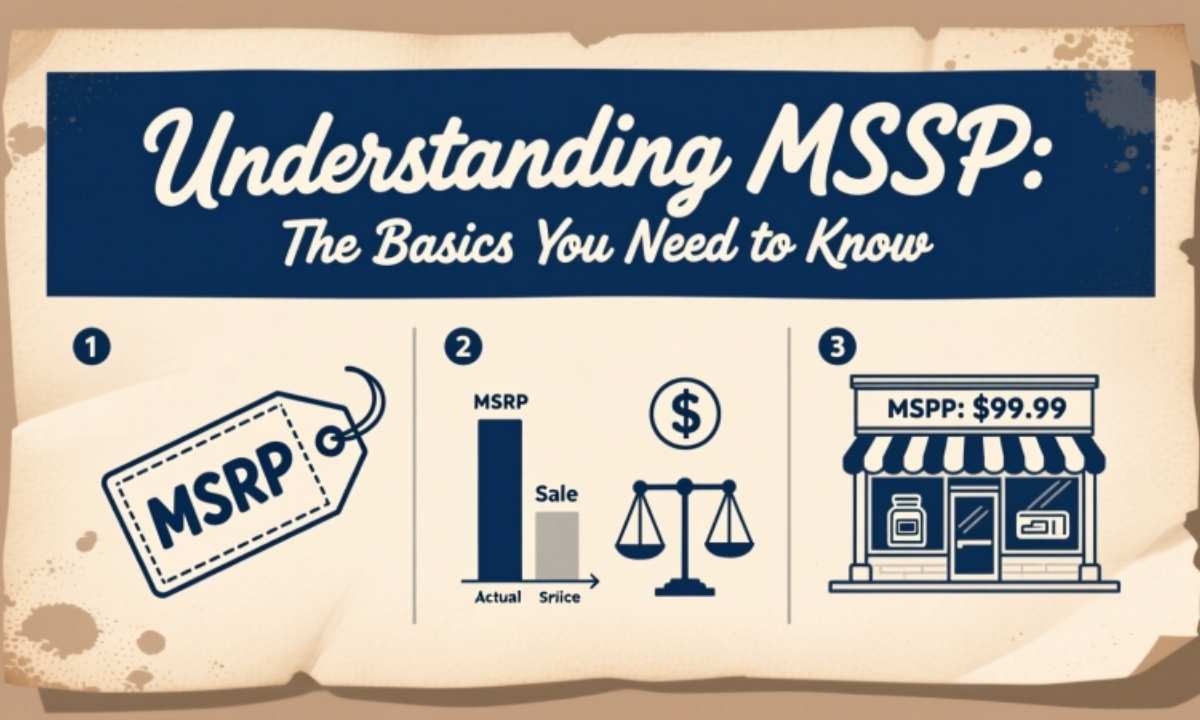
- MSRP stands for Manufacturer’s Suggested Retail Price
- It’s the price manufacturers recommend for retailers
- Also known as sticker price or list price
- Serves as baseline for pricing negotiations
- Not legally binding for retailers to follow
- Provides standardized reference point for consumers
- Helps maintain brand value across markets
- Used across various industries and products
- Displayed prominently on product packaging or tags
- Starting point for understanding product value
- Helps consumers compare similar products easily
- Protects brand positioning in marketplace
- May include destination charges for vehicles
- Does not include taxes or additional fees
- Represents manufacturer’s desired retail positioning
- Can vary by region and market conditions
- Subject to change based on various factors
- Provides transparency in pricing structure
- Helps retailers determine profit margins
- Used as marketing tool by manufacturers
- Reference point for discounts and promotions
- Establishes perceived value of products
- May differ from actual selling price significantly
- Important for warranty and insurance purposes
- Foundation for understanding market pricing dynamics
The History of MSRP and Its Role Today
- Originated in early automobile industry practices
- General Motors pioneered concept in 1930s
- Created to standardize pricing across dealerships
- Prevented price discrimination between customers
- Evolved from need for transparent pricing
- Became standard practice across industries
- Federal regulations addressed MSRP disclosure requirements
- Consumer protection laws reinforced importance
- Digital age increased MSRP visibility and accessibility
- Online shopping made price comparison easier
- Role expanded beyond just cars to electronics
- Became critical for brand positioning strategies
- Modern MSRP includes more detailed breakdowns
- Technology enabled real-time MSRP adjustments
- E-commerce platforms display MSRP prominently
- Today serves multiple stakeholder interests
- Helps maintain competitive market equilibrium
- Protects consumers from arbitrary pricing
- Enables manufacturers to control brand perception
- Digital tools made MSRP research instant
- Role continues evolving with market dynamics
- Transparency requirements strengthened over time
- Modern consumers rely heavily on MSRP research
- Platform economy changed MSRP application
- Remains foundational to retail pricing structure
How MSRP Affects Your Buying Decisions
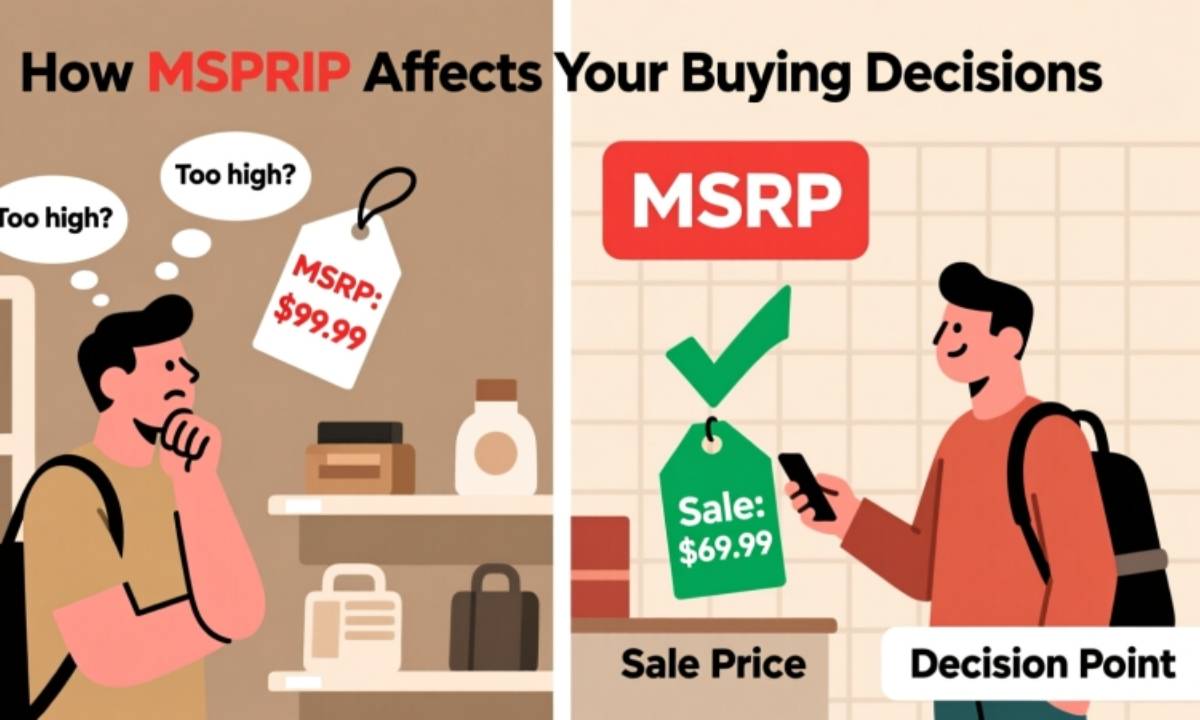
- Provides initial price expectation setting
- Influences perceived value of products
- Creates reference point for deal evaluation
- Affects willingness to negotiate prices
- Helps identify legitimate discounts versus tricks
- Influences timing of purchase decisions
- Creates psychological anchoring effect
- Affects budget planning and allocation
- Helps compare value across brands
- Influences perception of product quality
- Creates expectations for seasonal sales
- Affects trade-in value considerations
- Helps identify overpriced offerings quickly
- Influences financing and payment planning
- Creates framework for cost-benefit analysis
- Affects decision between new versus used
- Helps evaluate dealer markup practices
- Influences perception of getting good deal
- Creates urgency when prices below MSRP
- Affects long-term ownership cost projections
- Helps identify market trends and patterns
- Influences brand loyalty and switching decisions
- Creates basis for insurance coverage amounts
- Affects resale value expectations
- Helps prioritize features versus price trade-offs
MSRP vs. Invoice Price: What’s the Difference?
| Aspect | MSRP | Invoice Price | Why It Matters |
| Definition | Manufacturer’s Suggested Retail Price | Price dealer pays manufacturer | Understanding both gives negotiation power |
| Visibility | Publicly displayed on window sticker | Often hidden from consumers | MSRP is transparent, invoice requires research |
| Purpose | Marketing and brand positioning | Dealer cost and profit calculation | MSRP targets consumers, invoice is business tool |
| Price Level | Higher retail-facing price | Lower wholesale dealer cost | Gap represents potential negotiation room |
| Flexibility | Standardized across retailers | Can vary by dealer volume and incentives | Invoice price more variable than MSRP |
| Profit Margin | Includes manufacturer and dealer profit | Only includes manufacturer costs and profit | Difference shows dealer earning potential |
| Negotiation Base | Starting point for consumer haggling | Target price for informed buyers | Knowing invoice lets you negotiate near dealer cost |
| Incentives Included | No hidden rebates or holdbacks | May include dealer holdbacks and incentives | True dealer cost often lower than invoice shown |
Factors That Determine MSRP in Products
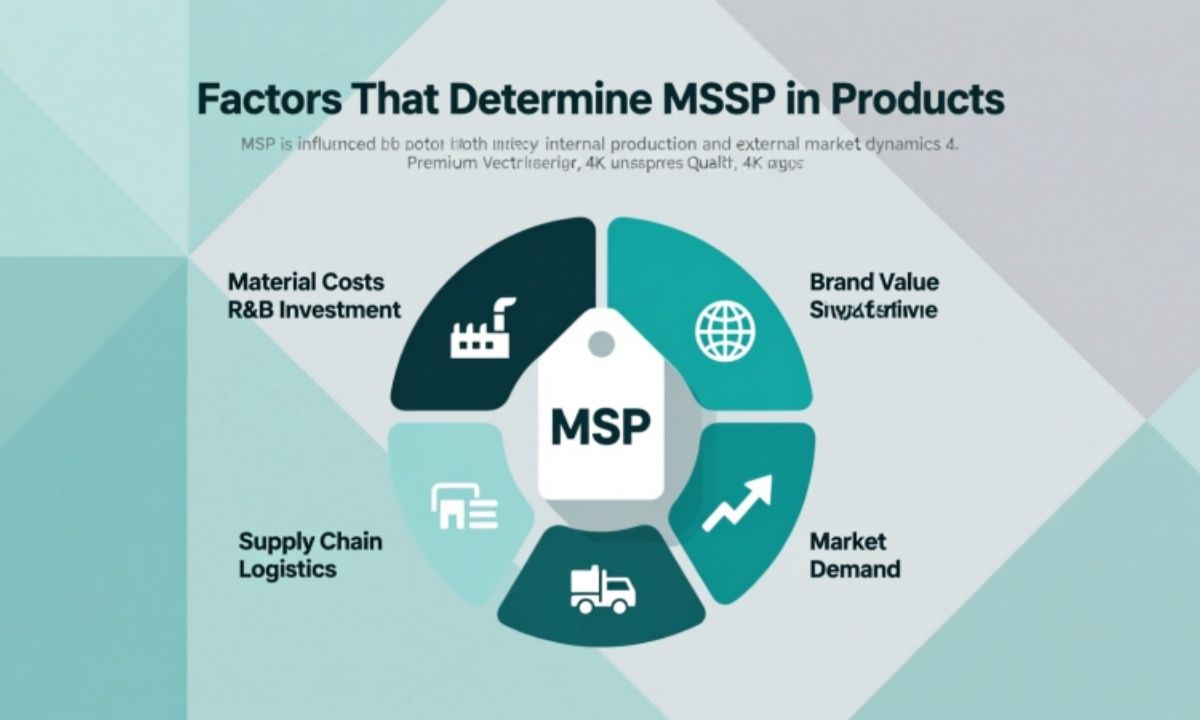
- Manufacturing and production costs
- Research and development investments
- Material and component expenses
- Labor costs and wages
- Transportation and logistics fees
- Marketing and advertising budgets
- Distribution channel expenses
- Competitive market positioning strategy
- Brand value and reputation premium
- Supply and demand dynamics
- Seasonal factors and timing
- Technology and innovation level
- Quality and durability standards
- Target customer demographic
- Warranty and service commitments
- Regulatory compliance costs
- Import tariffs and duties
- Currency exchange rate fluctuations
- Packaging and presentation expenses
- Retailer margin requirements
- Market segment positioning
- Geographic location and market
- Product lifecycle stage
- Inventory carrying costs
- Intellectual property licensing fees
Why Paying Attention to MSRP Can Save You Money
- Identifies genuine discounts versus fake sales
- Prevents overpaying for common items
- Helps spot dealer markups above MSRP
- Enables effective price comparison shopping
- Reveals seasonal discount patterns
- Identifies best timing for purchases
- Helps negotiate from informed position
- Prevents impulse buying at inflated prices
- Reveals true value of promotions
- Helps calculate actual savings amounts
- Identifies price gouging during shortages
- Enables better budgeting and planning
- Reveals retailer pricing strategies
- Helps evaluate financing offers accurately
- Identifies hidden fees and charges
- Prevents falling for anchoring tricks
- Helps assess trade-in offers fairly
- Reveals market value trends over time
- Identifies overstocked clearance opportunities
- Enables strategic waiting for price drops
- Helps evaluate used product pricing
- Reveals depreciation rates and patterns
- Identifies manufacturer rebate opportunities
- Prevents paying premium for standard features
- Empowers confident negotiation tactics
How MSRP Impacts Car Deals and Negotiations
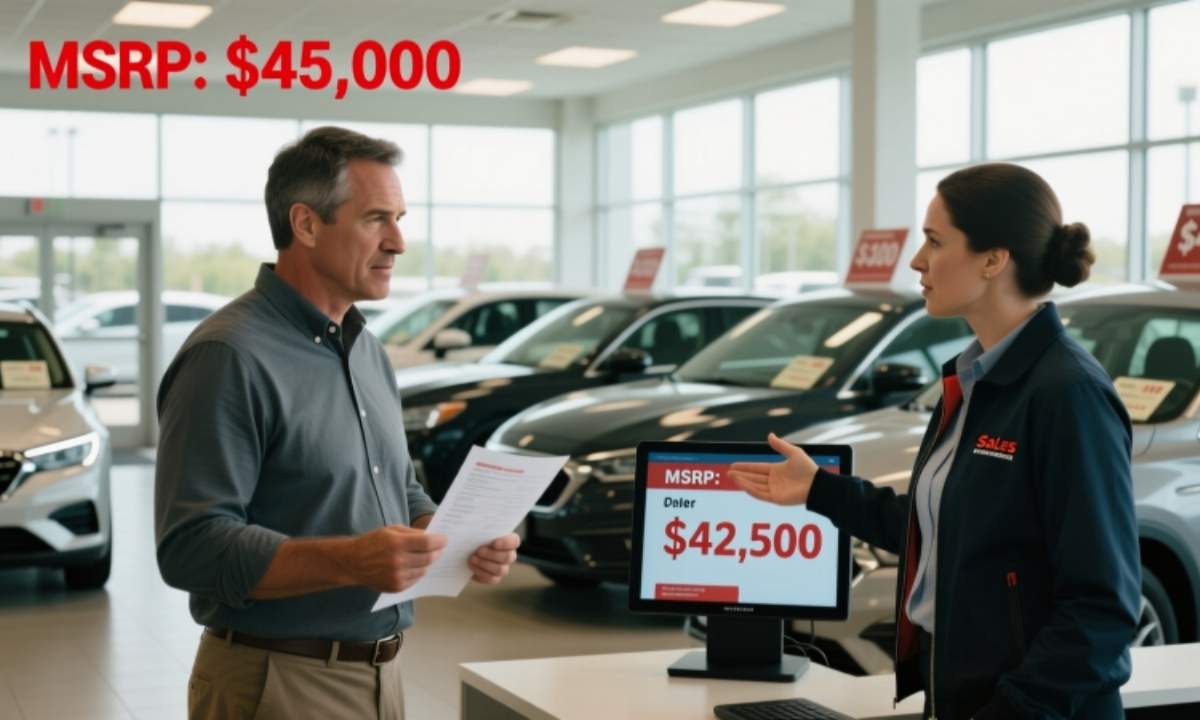
- Starting point for all car price negotiations
- Dealer markup above MSRP signals demand
- Below MSRP indicates negotiation opportunity
- Helps calculate fair purchase price target
- Reveals dealer profit margin potential
- Enables comparison across different dealerships
- Affects trade-in value calculations
- Influences financing terms and rates
- Helps identify dealer-added accessories markup
- Reveals market conditions and inventory levels
- Affects timing strategy for purchase
- Helps evaluate manufacturer incentives value
- Influences lease payment calculations
- Reveals regional pricing differences
- Helps assess dealer documentation fees
- Affects negotiation leverage and position
- Reveals seasonal sales patterns
- Helps evaluate certified pre-owned pricing
- Influences extended warranty pricing evaluation
- Affects insurance premium calculations
- Helps identify fleet sales opportunities
- Reveals end-of-model-year deals
- Influences trade-in timing decisions
- Helps evaluate total cost of ownership
- Reveals true cost of optional packages
MSRP in Electronics: What Shoppers Should Know
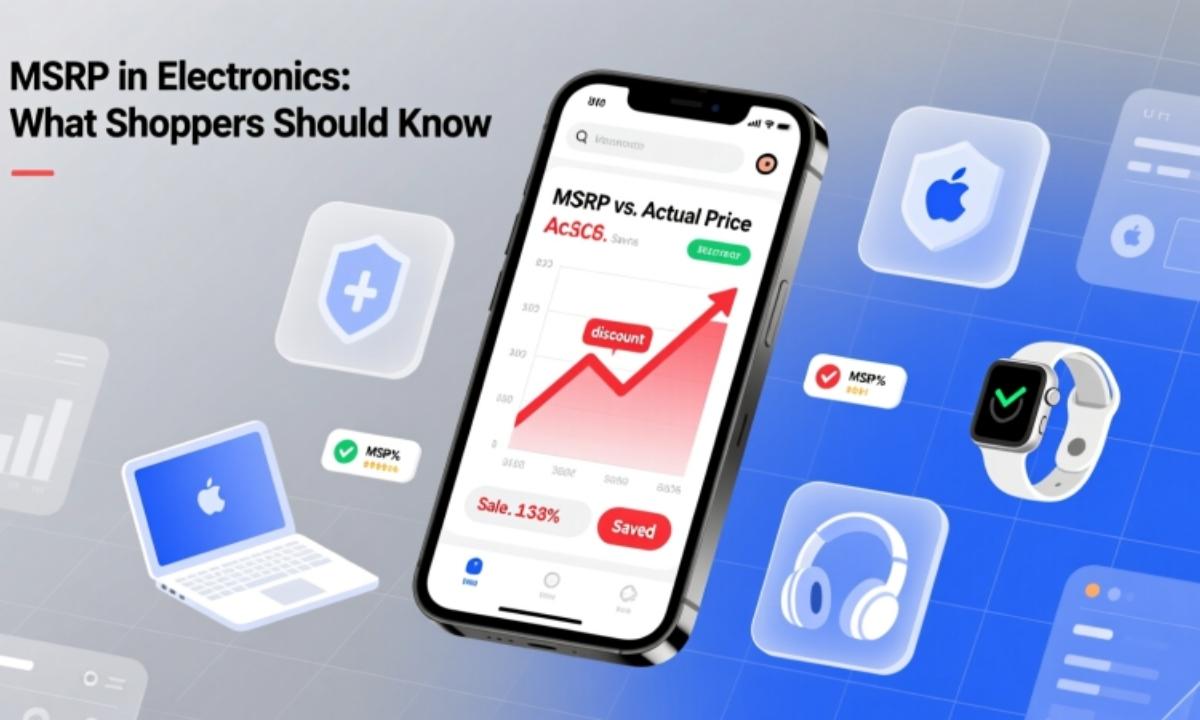
- Electronics MSRP drops quickly over time
- New releases typically sold at full MSRP
- Previous generation models discounted below MSRP
- Online retailers often ignore MSRP completely
- Manufacturer direct pricing may match MSRP
- Gray market sellers undercut MSRP significantly
- Warranties may depend on MSRP-compliant purchase
- Bundle deals affect effective MSRP value
- Seasonal sales predictably discount below MSRP
- Open-box items sold well below MSRP
- Refurbished products ignore original MSRP
- Electronics MSRP includes rapid obsolescence premium
- Market saturation quickly drops prices
- Launch period maintains MSRP discipline
- Supply chain issues cause above-MSRP selling
- Cryptocurrency and component shortages affect MSRP
- Online price tracking reveals MSRP patterns
- Flash sales temporarily drop below MSRP
- Price matching policies reference MSRP
- Extended warranties priced relative to MSRP
- Trade-in values calculated from original MSRP
- Student and military discounts apply to MSRP
- Loyalty programs offer percentage off MSRP
- Holiday sales reliably discount electronics MSRP
- Manufacturer direct often offers MSRP flexibility
Common Misconceptions About MSRP Explained
- MSRP is not minimum legal price
- Retailers can sell above MSRP legally
- MSRP not always manufacturer’s actual profit
- Below MSRP doesn’t always mean good deal
- MSRP not fixed or unchangeable forever
- Paying MSRP isn’t necessarily overpaying
- MSRP not same across all markets
- Zero percent financing may hide MSRP premium
- MSRP doesn’t include all ownership costs
- Matching MSRP not always best price
- MSRP not indicator of actual quality
- Below invoice selling doesn’t mean dealer loses
- MSRP not government-regulated maximum price
- High MSRP doesn’t guarantee better product
- MSRP negotiation not always possible or worth it
- Online MSRP may differ from dealership sticker
- MSRP not final word on product value
- Discounts off MSRP may be manipulated higher
- MSRP doesn’t account for all incentives available
- Manufacturer rebates separate from MSRP discounts
- MSRP not necessarily fair market value
- Used products maintain MSRP reference incorrectly
- MSRP comparison assumes identical specifications
- Regional MSRP variations completely legitimate
- MSRP transparency doesn’t guarantee fair pricing
Tips for Getting the Best Price Beyond MSRP
- Research invoice pricing before shopping
- Check multiple dealers for price variations
- Time purchases during seasonal clearance events
- Negotiate total price not monthly payments
- Get pre-approved financing from banks first
- Shop at month-end or quarter-end periods
- Compare online prices with local offerings
- Ask about unadvertised manufacturer incentives
- Consider previous year models for discounts
- Join loyalty programs for exclusive pricing
- Use price comparison apps and websites
- Negotiate trade-in and purchase separately
- Ask for manager’s approval on lower prices
- Be willing to walk away from deals
- Consider certified pre-owned for value
- Stack manufacturer rebates with dealer discounts
- Shop during holiday weekend sales events
- Get quotes in writing from multiple sources
- Leverage competitive offers for price matching
- Consider demo models for significant savings
- Ask about fleet or employee pricing programs
- Research true market value not just MSRP
- Negotiate dealer-added accessories separately
- Consider total cost of ownership beyond MSRP
- Use cash payment for additional leverage sometimes
Frequently Asked Questions
What does MSRP mean in simple terms?
MSRP, or Manufacturer’s Suggested Retail Price, is the price a manufacturer recommends retailers charge for a product. Understanding what does MSRP mean helps you shop smarter.
Is MSRP the same as the final price?
No, MSRP is only a suggested price. Retailers can sell above or below it, giving you room to find deals and discounts.
Why do manufacturers set an MSRP?
Manufacturers set an MSRP to guide retailers, maintain brand value, and ensure a consistent price perception across stores.
Does MSRP include taxes and fees?
MSRP usually does not include taxes, registration, or additional fees. Knowing what does MSRP mean ensures you budget accurately.
Can I negotiate below MSRP?
Yes, you can often negotiate below MSRP, especially on cars or electronics, to get a better deal.
Is MSRP the same worldwide?
No, MSRP can vary by country due to taxes, shipping costs, and local market conditions, affecting the final price.
How often do manufacturers update MSRP?
Manufacturers update MSRP when there are new models, features, or market adjustments, keeping prices competitive.
Does knowing MSRP really save money?
Absolutely! Knowing what does MSRP mean gives you leverage to negotiate and avoid overpaying.
Are all retailers required to follow MSRP?
No, retailers can set prices independently, but MSRP acts as a guideline for consistency and comparison.
Is MSRP more important for cars than other products?
While what does MSRP mean is relevant for many items, it is especially crucial in car buying, where prices can vary significantly.
Can discounts make a product cheaper than MSRP?
Yes, promotions, seasonal sales, or clearance events can bring prices below MSRP, offering great savings.
What’s the difference between MSRP and dealer invoice?
MSRP is the suggested price, while the dealer invoice is what the retailer pays the manufacturer, giving you negotiation insight.
Conclusion
Understanding what does MSRP mean is more than just knowing a number—it’s about feeling confident and empowered in every purchase you make. Whether it’s a sleek new car, the latest gadget, or any product you’ve been dreaming of, recognizing the role of MSRP allows you to make smarter decisions, save money, and avoid unnecessary stress. It transforms shopping from a routine task into a thoughtful and intentional experience.
By paying attention to MSRP, you not only gain insight into pricing but also learn how to negotiate, find hidden deals, and value your hard-earned money. Every time you approach a purchase, you carry with you the knowledge of what does MSRP mean, turning what could be a confusing process into a smooth and satisfying journey. Remember, MSRP is your guide, not a limit—use it wisely, and you’ll always shop with confidence.

Tariq is a dedicated blogger with 4 years of experience in the field of name-related blogs. Over the years, he has researched and written extensively about baby names, business names, and creative ideas that inspire identity and uniqueness. His content has helped readers across the globe discover meaningful and memorable names.
Currently, Tariq is working on SmartsName.com, where he continues to share his passion for names. With his knowledge and expertise, he aims to provide readers with unique, creative, and valuable suggestions that make the journey of choosing the perfect name easier and more enjoyable.
